
Chaetogastra grossa
Chaetogastra grossa
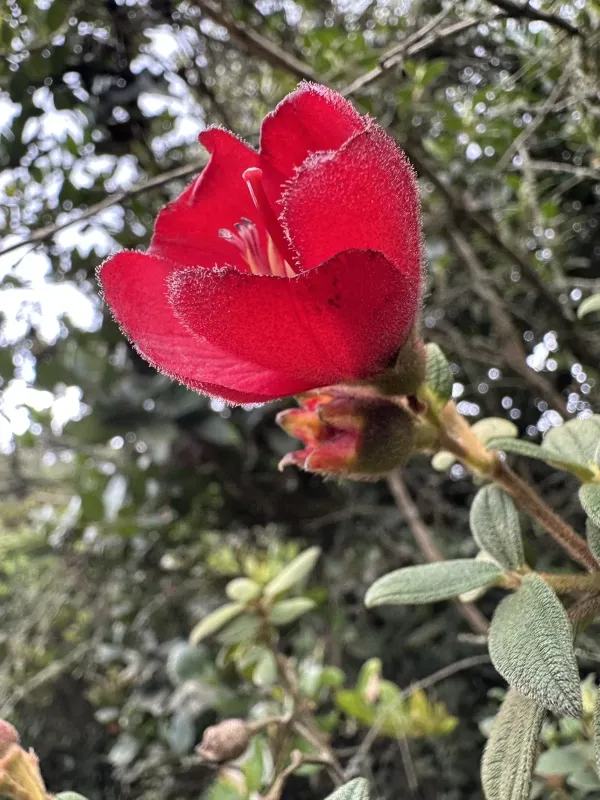
Description
Growing requirements
Chaetogastra grossa is a perennial shrub belonging to the Melastomataceae family, native to the high-altitude regions of South America. The plant is botanically significant for its adaptation to cool, humid mountain environments where it thrives in shaded or semi-shaded habitats.
For successful cultivation, the plant requires a well-draining, acidic, and organic-rich soil substrate. Mixing peat with perlite or coarse sand is recommended to maintain the necessary soil structure and prevent waterlogging around the root zone.
Environmental conditions must mimic the Andean mountain climate, characterized by cool temperatures and high atmospheric humidity. In an indoor or greenhouse setting, this is achieved through regular misting and the use of humidifiers.
Light exposure should be filtered and bright; direct sunlight is generally detrimental as it causes rapid desiccation of the leaves. Maintaining a consistent temperature gradient between 15°C and 20°C ensures steady and healthy growth patterns throughout the year.
Fertilization should be applied cautiously, using diluted fertilizers specifically formulated for acid-loving plants. Over-fertilization can lead to root burn, so half-strength applications during the growing season are most effective.
Main diseases and pests
The plant is susceptible to common greenhouse pests, particularly spider mites and mealybugs. These organisms typically inhabit the undersides of leaves, thriving in environments with poor air movement and dry conditions.
Root pathogens such as Phytophthora and Pythium pose a severe risk if drainage is inadequate. These fungal infections cause rapid decay of the vascular system, resulting in quick wilting and death of the plant.
Prevention of pest outbreaks requires maintaining rigorous hygiene within the growing area. Isolating new specimens and regularly cleaning surfaces help to mitigate the spread of unwanted insects and fungal spores.
Leaf spot diseases can occur due to prolonged leaf wetness in non-ventilated areas. Improving airflow through the use of oscillating fans is a critical agronomic practice to reduce moisture accumulation on the foliage.
Integrated pest management (IPM) practices, including the use of neem oil or insecticidal soaps, are recommended for controlling infestations while minimizing the ecological impact on the surrounding environment.