
Chaetogastra longifolia
Chaetogastra longifolia
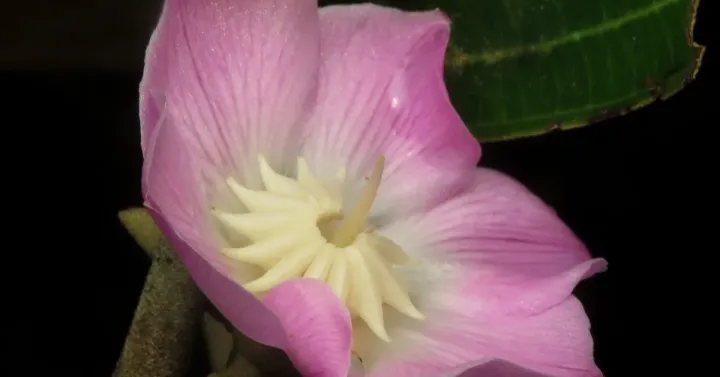
Description
Growing requirements
Chaetogastra longifolia is a member of the Melastomataceae family, a group of plants widely known for their aesthetic foliage and distinct venation patterns. Native to tropical regions, this species thrives in environments that replicate its natural warm and humid habitat.
Botanically, it is characterized by its lanceolate leaves and bristly stems. The name derives from the Greek, emphasizing the unique glandular hairs that cover much of the plant's surface, protecting it from moisture loss and potential insect damage.
The plant requires high humidity levels to maintain its physiological health. Indoors, growers should prioritize consistent moisture in the root zone while ensuring that excess water can drain freely to prevent hypoxia at the roots.
Soil requirements involve a well-draining, acidic growing medium. An ideal mix usually includes organic matter, perlite, and pine bark to facilitate root aeration. Regular repotting may be necessary as the plant grows to accommodate its developing root architecture.
Light levels should be bright but filtered. Excessive direct sunlight can cause leaf scorching, while insufficient light leads to etiolated, weak stems. Finding the correct balance is crucial for ensuring vigorous growth throughout the vegetative stage.
Main diseases and pests
The primary pests affecting this species are spider mites and mealybugs, which tend to congregate in the leaf axils. Frequent monitoring is essential to prevent infestations from compromising the plant's structural integrity and aesthetic value.
Pathogens typically manifest as root rots caused by over-irrigation. Proper management involves allowing the surface of the growing medium to dry slightly before the next watering cycle, while strictly avoiding waterlogging the root ball during the dormant season.