
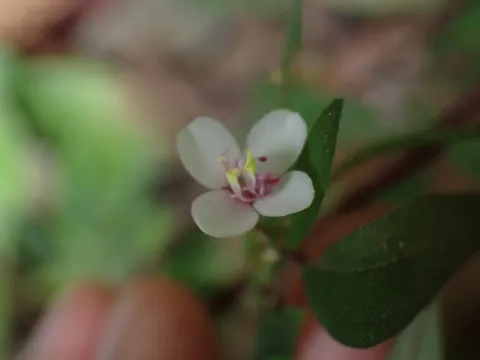
Centradenia
Centradenia
Centradenia is a genus of herbaceous perennials belonging to the Melastomataceae family. Native to the tropical regions of Central and South America, these plants are known for their preference for warm, humid environments and filtered sunlight, making them excellent candidates for indoor cultivation.
What the section contains


Centradenia
Optimal growth for Centradenia requires a temperature range between 18°C and 25°C. The plant is sensitive to cold drafts and sudden temperature fluctuations, which can cause leaf drop or slowed development. Consequently, it is best suited for stable greenhouse conditions or protected domestic spaces.
The soil requirements involve a well-draining, nutrient-rich substrate, preferably with a slightly acidic pH. Incorporating peat moss and perlite into the potting mix ensures the necessary aeration for the roots while maintaining enough moisture to sustain the plant's active growth cycle.
Botanically, the plant is characterized by its distinct four-angled stems and ovate leaves with prominent veins. The flowers, which typically bloom in shades of pink or purple, are arranged in terminal cymes, providing a long-lasting display of color during the growing season.
In terms of practical use, Centradenia is widely utilized as a decorative ornamental plant, particularly in hanging baskets or as a border plant in temperate climates. Regular pruning and pinching of the tips are essential horticultural practices to encourage fuller growth and a more attractive shape.
Common pests affecting Centradenia include spider mites and mealybugs, which thrive in low-humidity environments. Regular misting and proper plant spacing are effective ways to prevent infestations and maintain plant health throughout the year.
Disease management focuses primarily on preventing fungal infections caused by overwatering. Root rot and stem decay are the most prevalent issues, which can be mitigated by ensuring the pots have adequate drainage holes and by avoiding water accumulation in the crown of the plant.