
Sidastrum paniculatum
Sidastrum paniculatum
Description
Growing requirements
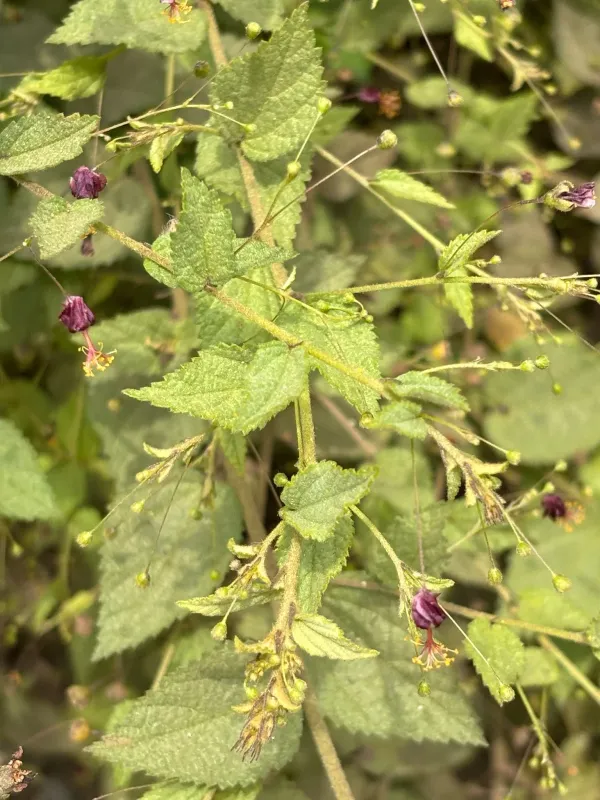
Sidastrum paniculatum is a perennial herbaceous plant belonging to the Malvaceae family. Originally native to the Neotropics, this species is increasingly being studied for its utility in various agricultural and industrial applications.
The plant thrives in tropical and subtropical climates where it benefits from consistent temperatures and abundant sunlight. It exhibits a rapid growth rate during the peak of the growing season under optimal thermal conditions.
Soil requirements for Sidastrum paniculatum include well-drained, fertile substrates. While it can adapt to various soil types, loamy soils rich in organic matter provide the best environment for maximizing biomass production.
Water management is crucial during the germination and early vegetative stages, as the crop requires stable moisture levels to establish its deep root system effectively.
Agronomic practices focus on maintaining optimal plant spacing to ensure light penetration, which is essential for the development of healthy stems and foliage.
Main diseases and pests
Disease pressure in Sidastrum paniculatum crops often stems from fungal pathogens, including powdery mildew and various leaf spot diseases that proliferate in humid environments.
Insect pests, particularly aphids and spider mites, pose a significant challenge by colonizing the undersides of leaves and extracting plant sap, which can weaken the overall structure of the plant.
Monitoring for signs of pest damage should begin early in the season, as early infestation can lead to stunted growth and reduced fiber quality in mature plants.
Cultural control methods, such as removing crop debris and managing weed populations, help to decrease the prevalence of vectors that transmit viral infections to the crop.
Implementing a balanced fertilizer program helps strengthen the plant's natural resistance, thereby reducing the dependency on synthetic chemical treatments during the growing cycle.