
Sidastrum multiflorum
Sidastrum multiflorum
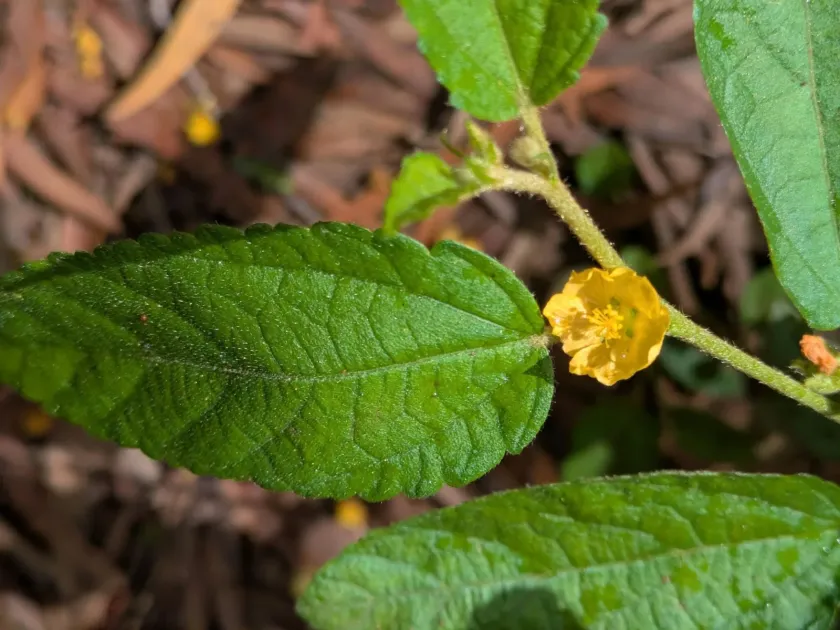
Description
Growing requirements
Sidastrum multiflorum is a noteworthy member of the Malvaceae family, sharing botanical affinities with various fiber-producing species in the mallow tribe. It typically manifests as an erect shrub or perennial herb, characterized by its complex branching patterns and abundant flowering potential during the growing season.
The plant originates from the tropical and subtropical regions of the Americas. Its natural habitat includes diverse landscapes ranging from disturbed open fields to forest margins, which indicates a high degree of adaptability to varying environmental conditions within warm climates.
Successful production of this crop requires a tropical or warm subtropical climate with high ambient temperatures and a consistent photoperiod. It cannot tolerate freezing temperatures, and even minor frost events can cause significant damage to the plant's vascular tissue and overall growth potential.
Soil requirements for optimal development include well-draining textures, such as sandy loams, which prevent root rot while maintaining sufficient moisture availability. The plant benefits from soils with neutral pH levels and a steady supply of micronutrients to support its vigorous annual biomass accumulation.
The primary economic interest in Sidastrum multiflorum lies in its potential as a fiber crop. Similar to other malvaceous plants, the stems contain bast fibers that may have industrial applications. Furthermore, the crop's ability to thrive in poor soils makes it a subject of interest for sustainable agricultural development in arid or nutrient-deficient regions.