
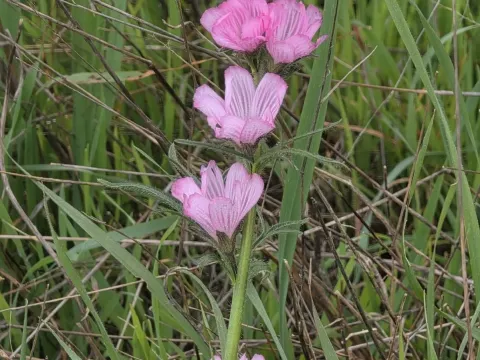
Sidalcea
Sidalcea
Sidalcea seeds should be sown in early spring or late autumn in well-prepared, loose soil. Because the seeds are small, they should be lightly covered with a thin layer of soil or fine compost.
What the section contains

Sidalcea
For indoor propagation, start seeds in trays 6 to 8 weeks before the expected last frost date. Maintaining a steady temperature is crucial for consistent germination rates during the indoor phase.
Once seedlings have developed at least two pairs of true leaves, they can be hardened off and transplanted into their permanent garden location after the risk of frost has passed.
Spacing is essential for this plant; keep 30 to 45 centimeters between individual plants to prevent overcrowding and to ensure healthy development of the flowering spikes.
Alternatively, mature plants can be divided in early spring, which is a very effective way to propagate your stock while maintaining the specific traits of the cultivar.
As a member of the Malvaceae family, Sidalcea thrives in full sun but appreciates a bit of afternoon shade in climates with extremely hot summers to maintain its vigor.
The soil should be fertile, moist, and well-draining. Heavy clay soils should be amended with organic matter or grit to ensure that water does not pool around the roots.
Sidalcea plants are generally hardy, but they require a consistent supply of moisture during the peak growing season to support their long, slender flowering stalks.
Mulching the base of the plants with organic compost helps retain soil moisture and suppresses weed growth, reducing the need for frequent manual labor.
Periodic deadheading of spent blossoms is highly recommended, as it often encourages a second flush of flowers later in the summer season.
Powdery mildew is the most common fungal issue for Sidalcea, particularly in environments with high humidity or poor air circulation between the plants.
To mitigate the risk of disease, it is advisable to water the plants at the base rather than using overhead irrigation, keeping the foliage dry as much as possible.
Aphids can occasionally colonize the flower buds, causing malformation. Insecticidal soaps or neem oil are usually effective enough to control these minor infestations.
Spider mites might appear during periods of prolonged drought, requiring immediate action with suitable acaricides or increased moisture levels to deter them.
General hygiene, including the prompt removal of infected plant debris at the end of the season, significantly reduces the overwintering potential of various pests and pathogens.