
Scaphium
Scaphium
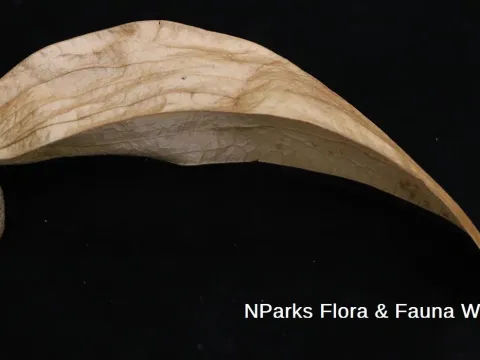
Scaphium is a genus of tropical trees belonging to the Malvaceae family. Native to the tropical rainforests of Southeast Asia, these trees are highly specialized for hot and humid environments where biodiversity is abundant.
What the section contains


Scaphium
The climate requirements for Scaphium are strictly tropical, necessitating year-round warmth without any risk of frost. The plant thrives in areas with high average annual temperatures and consistent environmental conditions.
Soil quality is paramount for the health of Scaphium trees. They prefer deep, well-draining, and nutrient-rich soils that can sustain high levels of moisture while allowing roots to breathe, avoiding waterlogging.
Adequate rainfall and high relative humidity are essential for the biological development of the species. In agricultural settings, irrigation systems are vital to mimic the natural hydrological cycle of the rainforest.
Agrotechnical management involves careful nursery practices, where young seedlings are shielded from direct, harsh sunlight to prevent stress. As they mature, trees are spaced appropriately to ensure optimal light penetration and airflow.
The economic focus of Scaphium cultivation is the production of its seeds, widely recognized as malva nuts. Yield levels are determined by tree maturity, soil fertility, and the overall management practices applied on the plantation.
Trees reach their productive peak after several years of growth. The seeds are highly valued for their hydrocolloid content, which causes them to expand significantly when soaked in water, forming a mucilaginous substance.
The primary use of the harvested seeds is in the pharmaceutical and food industries. They are processed into cooling drinks and natural remedies known for their anti-inflammatory properties, particularly for respiratory health.
Harvesting is typically conducted manually once the fruits reach maturity. The post-harvest process involves drying the seeds thoroughly to maintain quality standards and prevent degradation by fungi or pests during storage.
The global demand for natural plant-based ingredients has positioned Scaphium as a valuable specialty crop, encouraging sustainable agricultural practices in its native cultivation zones.
Fungal infections represent the most significant threat to Scaphium plantations. High humidity levels, while necessary for growth, create a perfect environment for pathogens that attack leaves, branches, and trunks.
Wood-boring insects pose a persistent challenge, as they can cause extensive structural damage to the trees. Regular monitoring and integrated pest management are crucial to detect infestations early and mitigate spread.
Maintaining biological balance within the plantation is key to disease prevention. Proper spacing and the removal of infected plant debris help prevent the accumulation of soil-borne pathogens and insect populations.
While chemical interventions are sometimes necessary, there is a strong emphasis on organic control methods to ensure that the medicinal qualities of the seeds are preserved and that the local ecosystem remains unharmed.
Environmental stressors, such as extreme weather events like tropical storms, can cause mechanical damage to the trees, making them susceptible to secondary infections by opportunist pests and diseases.