
Scaphopetalum
Scaphopetalum
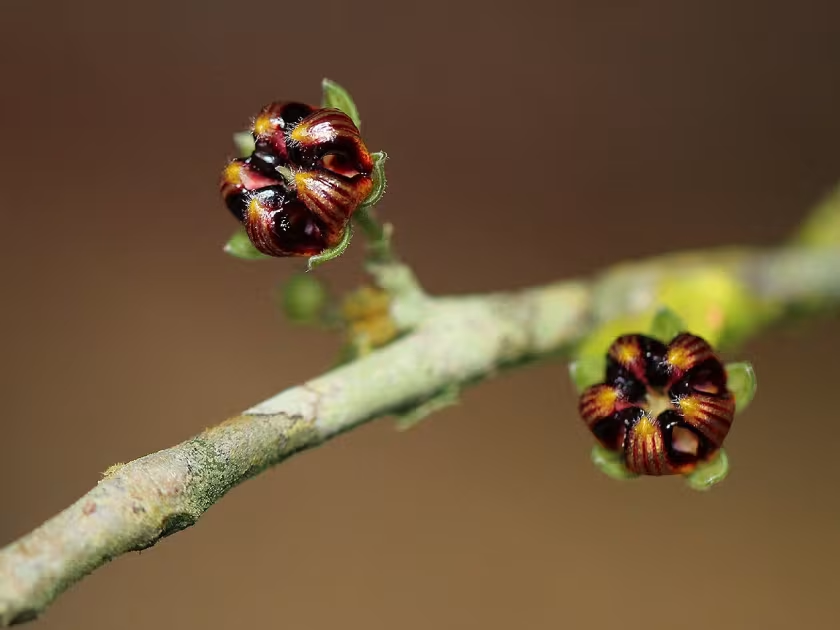
Description
Growing requirements
Scaphopetalum is a genus of evergreen trees and shrubs belonging to the Malvaceae family. These plants are native to the tropical rainforests of equatorial Africa, where they form an essential part of the forest understory vegetation.
The cultivation of these plants requires strict adherence to tropical environmental standards. They demand consistently high humidity and temperatures that do not fluctuate significantly throughout the year, typically ranging between 22 and 28 degrees Celsius.
Soil requirements for Scaphopetalum include high organic matter content and excellent moisture retention capabilities. The soil must be well-drained, as these plants do not tolerate prolonged waterlogging of the root zone despite their preference for humid environments.
Light management is crucial, as Scaphopetalum naturally evolves in the shade of canopy trees. Direct exposure to intense sunlight can lead to leaf scorching and physiological stress for young specimens.
The plant demonstrates specialized botanical features, including flowers that emerge directly from the trunk or mature branches, which is a key adaptation for attracting specific forest pollinators.
Main diseases and pests
The primary threat to the Scaphopetalum genus is habitat loss. Deforestation for agriculture and timber extraction in central and western Africa continues to shrink the available areas for these species.
Ecological shifts resulting from fragmentation of the rainforest lead to a drier microclimate, which is detrimental to the survival of Scaphopetalum in the wild.
Fungal pathogens represent a potential biological risk, especially in environments where forest density is reduced and air circulation patterns are altered, causing stagnant humidity pockets.
Invasive plant species often outcompete Scaphopetalum for nutrients and space in disturbed forest patches, further complicating the regeneration of the population.
Because these plants have not been widely domesticated, there is limited information regarding pest control, making habitat conservation the most effective strategy against these threats.