
Scaphium macropodum
Scaphium macropodum
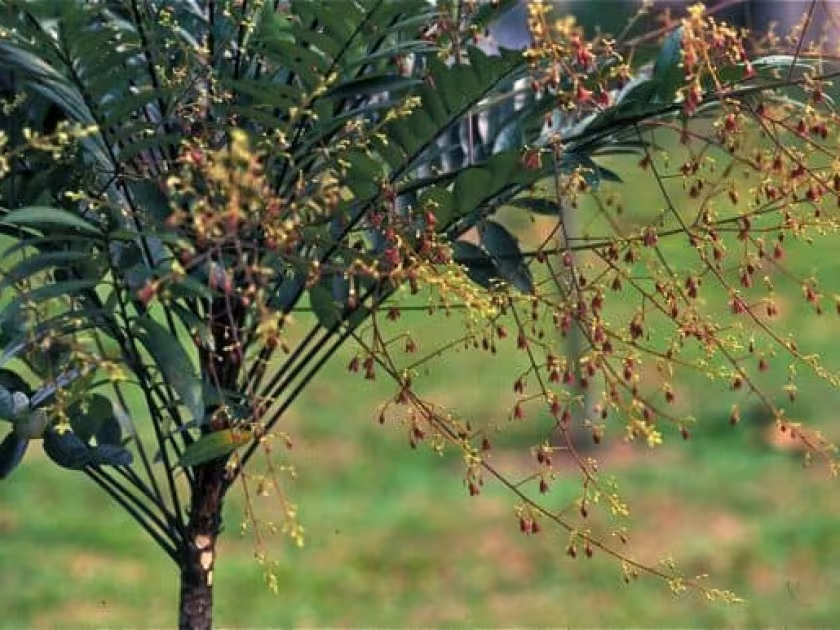
Description
Sowing dates
Scaphium macropodum is a majestic tree belonging to the Malvaceae family. The plant is primarily propagated through seeds, which are obtained from mature boat-shaped fruits that feature a distinctive wing for wind dispersal.
Sowing should be performed immediately after the fruits have been harvested and processed, as the seeds lose their viability relatively quickly due to their high oil content and physiological sensitivity.
The seeds are planted in a well-draining, nutrient-rich potting medium. A depth of about two to three centimeters is ideal, ensuring that the seed is covered sufficiently to maintain consistent moisture around the embryo.
Germination typically occurs within a few weeks, provided that temperature and humidity levels are strictly maintained within the tropical optimum ranges (25–30 degrees Celsius).
Once the seedlings develop their first true leaves, they require partial shade to protect them from intense direct sunlight, which is crucial for preventing leaf scorch and ensuring steady development.
Growing requirements
The cultivation of Scaphium macropodum requires a warm and humid tropical environment. The species thrives in areas with high annual rainfall and constant air moisture, which mimics its natural lowland forest habitat.
Well-drained loam or sandy-loam soils are preferred for optimal growth. The plant is highly sensitive to waterlogging, as standing water in the root zone can lead to severe fungal root rot.
As a tree that naturally grows in the canopy, Scaphium macropodum requires full sun exposure once it reaches maturity. However, young trees must be grown under the shelter of taller vegetation or nursery shade nets.
Soil fertility is typically maintained through the accumulation of organic matter from leaf litter. In plantation settings, balanced organic fertilization can be applied to enhance growth rates during the vegetative stage.
The tree is adapted to stable tropical climates and shows no tolerance for cold weather or frost, which strictly limits its cultivation range to equatorial and tropical latitudes.
Yield
The yield of Scaphium macropodum is primarily measured by the collection of its dried fruits containing the seeds. The tree produces fruit in irregular cycles, often influenced by environmental cues and seasonal rainfall patterns.
Mature seeds are famous for their ability to absorb water and expand into a gelatinous mass. This unique property creates a high demand for the seeds in the pharmaceutical and food thickening industries.
Harvesting efficiency depends on the density of the trees in a given area. High-yield seasons are observed when pollination conditions are favorable and the trees are free from significant pest pressure.
Standardizing the yield involves careful quality control during the sorting process. By removing debris and immature fruits, producers ensure that the final product meets international quality and hygiene standards.
Economic potential is driven by the use of the seed mucilage as a natural health supplement, commonly known in traditional medicine for its cooling and digestive health properties.
Main diseases and pests
Fungal diseases, especially those affecting the root and collar regions, represent a significant threat to Scaphium macropodum in wet tropical conditions where drainage may be suboptimal.
Leaf-eating insects can cause significant defoliation, which hampers the photosynthetic capacity of young trees and potentially stunts their growth, requiring integrated pest management strategies.
Competition from fast-growing weeds and invasive vines in early growth stages is a constant challenge. Regular weeding around the base of the tree is essential for survival and vigor.
Habitat loss and deforestation are major environmental threats that disrupt the natural cycle of pollination and seed dispersal, leading to the reduction of wild populations of the tree.
Climate change, manifesting as unpredictable drought periods, can disrupt the flowering phase, leading to poor seed set and significant reduction in annual harvest volumes.
Harvesting
The harvest of Scaphium macropodum takes place during the dry season. Collectors look for the characteristic light brown color of the boat-shaped fruit, which indicates that the seed is fully matured and ready.
Manual collection is the most common method, as it allows harvesters to selectively pick the best-quality fruits from the ground or by climbing the lower branches of the trees.
After collection, the fruits must be cleaned of stalks, leaves, and other impurities. This cleaning process is vital to prevent the development of mold or bacterial growth during storage.
Drying the harvested material is a critical step. It should be performed in a cool, ventilated area away from direct sunlight, allowing the residual moisture to evaporate without damaging the seed's internal structure.
Properly dried seeds are packed in moisture-resistant, breathable containers to ensure safe transport and storage until they reach the processing facility for final usage.