
Scaphium scaphigerum
Scaphium scaphigerum
Description
Sowing dates
Scaphium scaphigerum is propagated primarily by seeds planted in controlled nursery conditions. It is essential to use high-quality seeds collected from healthy, mature mother trees to ensure strong seedling development.
The sowing process is typically timed to coincide with the beginning of the rainy season. This natural moisture availability is crucial for breaking seed dormancy and supporting the early growth stages of the young trees.
The soil preparation for sowing involves creating a rich, well-aerated substrate. Incorporating organic matter helps maintain moisture levels while ensuring that the drainage is sufficient to prevent seed rotting.
Seedlings are nurtured in the nursery until they reach a height of approximately half a meter. At this stage, they are robust enough to be transplanted into permanent field locations where they will have enough space for crown development.
Professional growers often monitor the hydration of seeds closely. Because the seeds possess a unique ability to swell significantly when exposed to water, they must be handled carefully during the sowing process to ensure germination occurs without excess saturation.
Growing requirements
Scaphium scaphigerum is a large deciduous tree belonging to the Malvaceae family. Native to the tropical regions of Southeast Asia, it thrives in warm, humid climates characterized by high annual precipitation.
Temperature stability is vital for this species. It does not tolerate frost or extreme cold, requiring a consistent tropical environment to maintain its metabolic activities and structural growth throughout the year.
The plant demands deep, fertile, and well-drained soils. While it appreciates high moisture levels, it is highly sensitive to waterlogging, which can cause serious damage to the root system and inhibit plant health.
Light availability is another critical factor. While young plants may tolerate partial shade, the development of a full, productive canopy requires significant direct sunlight, which is typical for the upper canopy layers in its natural forest habitat.
Agronomic management should include monitoring for competitive vegetation that might overshadow young trees. Regular weeding and maintaining adequate soil fertility are standard practices to ensure the tree reaches its maximum economic potential.
Main diseases and pests
Like many tropical tree species, Scaphium scaphigerum is susceptible to various fungal pathogens that thrive in high humidity. Proper airflow through the canopy is the best natural defense against these threats.
Insect pests, including various wood-boring beetles, can pose a risk to the trunk and branches if the tree's vigor is compromised. Early detection and maintaining tree health through balanced nutrition are essential preventative measures.
Leaf-eating insects may affect young seedlings, reducing their photosynthetic capacity. Integrated pest management strategies are often employed in plantations to keep populations below economic injury levels.
Environmental stress, such as prolonged droughts or unexpected flooding, can make the trees more susceptible to secondary infections. Maintaining a stable ecological balance in the plantation area is crucial for long-term health.
Monitoring for signs of root rot is especially important in poorly drained soils. If symptoms appear, immediate soil amendments and drainage improvements are necessary to save the tree from systemic failure.
Harvesting
The harvesting process focuses on collecting the mature seeds contained within the dried follicles. This is usually a seasonal activity that requires careful timing to ensure the seeds have reached peak maturity.
Due to the significant height of adult trees, manual harvesting using specialized tools is the common method. Workers must be skilled to harvest the fruits without damaging the future productivity of the tree branches.
Post-harvest processing is critical for quality control. The seeds are extracted from the dried fruit husks, cleaned, and then carefully dehydrated to prevent mold growth during storage.
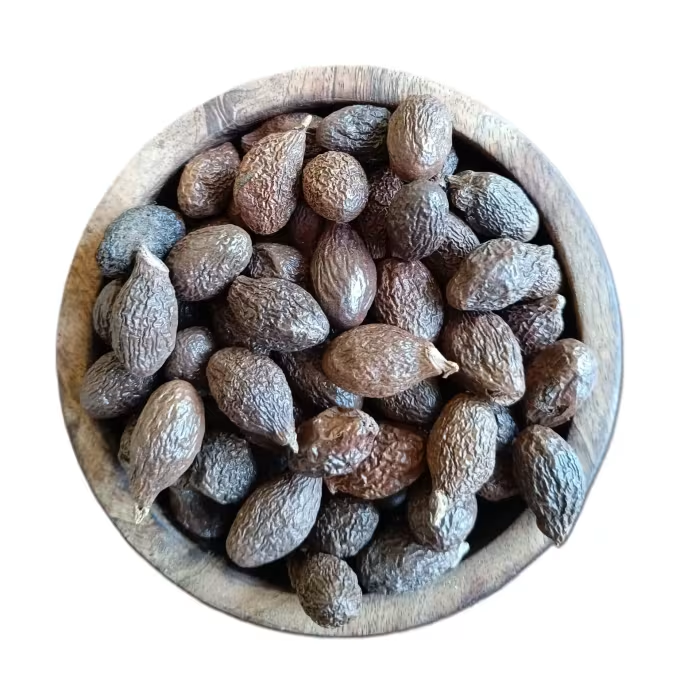
The product, widely known as malva nuts, is highly valued for its high mucilage content. This natural gel is used in both traditional medicine and the food industry as a functional thickener and soothing agent.
Proper packaging is essential for export and long-term storage. Using moisture-proof containers ensures that the dry seeds do not prematurely hydrate, maintaining their commercial value and physical integrity until they reach the end consumer.