
Phymosia umbellata
Phymosia umbellata
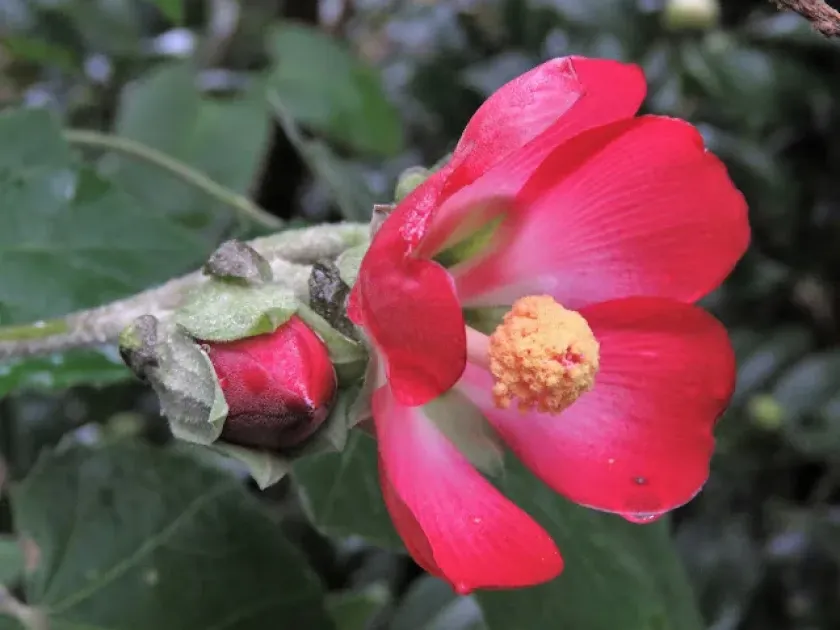
Description
Sowing dates
Sowing seeds of Phymosia umbellata should ideally occur in the early spring, once the danger of frost has passed. Planting in late April ensures the soil is warm enough to trigger germination.
Before sowing, it is advisable to perform a brief period of cold stratification for the seeds. This method effectively mimics natural seasonal cycles, leading to a much higher overall germination rate.
The seeds should be sown at a shallow depth, roughly one centimeter beneath the surface. Consistent moisture is critical during the initial germination phase to ensure success for the delicate seedlings.
Starting the plants indoors is highly recommended for cooler climates to extend the growth period. Use sterile, well-draining potting soil to prevent dampening off during the sensitive early stages of plant development.
Once the risk of frost is completely gone, the young plants can be hardened off and transplanted to their permanent outdoor location. Space them adequately to allow for mature expansion and airflow.
Growing requirements
Phymosia umbellata belongs to the Malvaceae family and thrives in open, sunny locations. It requires ample sunlight to develop its characteristic structure and produce vibrant blooms throughout the season.
The plant prefers well-drained, nutrient-rich soil with a neutral pH level. If your garden has heavy clay soil, it is essential to amend it with organic matter or gravel to improve drainage and prevent root rot.
Regular watering is necessary during the peak of summer, especially during periods of prolonged drought. While the plant is somewhat drought-tolerant once established, it prefers consistent moisture for optimal growth.
Apply a balanced, slow-release fertilizer in early spring to support the plant's nutritional needs during the vigorous growth phase. Avoid excessive nitrogen, which can lead to weak, leggy stems instead of flowers.
Mulching around the base of the plant helps retain soil moisture and naturally suppresses weed competition. A layer of organic compost or bark is sufficient to keep the root zone healthy and stable.
Main diseases and pests
Fungal diseases like rust can impact Phymosia umbellata, particularly in humid or stagnant conditions. Monitoring the foliage for orange-colored spots is the first step toward effective management.
Pests such as aphids and spider mites are common enemies that feed on the sap of tender leaves. Use insecticidal soaps or neem oil as an eco-friendly solution to manage these infestations without harming beneficial insects.
Powdery mildew can be a significant threat if air circulation around the plant is insufficient. Proper pruning and spacing are essential cultural practices to prevent the onset of this common condition.
Root pests and soil-borne pathogens are generally rare but can occur if the soil remains waterlogged. Ensuring excellent drainage from the start is the best way to prevent such systemic issues.
Maintaining garden hygiene is vital for long-term plant health. Removing fallen leaves and infected debris at the end of the season reduces the population of overwintering pathogens in the area.