
Modiolastrum lateritium
Modiolastrum lateritium
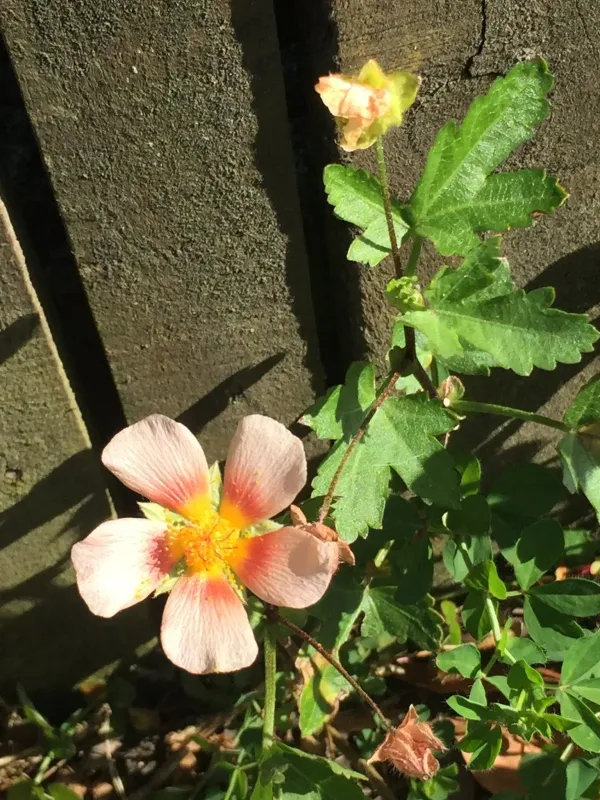
Description
Growing requirements
Modiolastrum lateritium is a perennial herbaceous plant belonging to the Malvaceae family. It is widely recognized for its creeping habit, where long, sprawling stems spread horizontally and root at the nodes, forming a dense vegetative mat.
Originating from South America, specifically regions in Argentina and Uruguay, this species thrives in climates that offer sufficient warmth and light. It is commonly utilized in horticultural settings for its ability to quickly cover ground, suppressing weed growth.
The plant requires well-drained, fertile, and slightly acidic to neutral soil to flourish. It is highly sensitive to waterlogged conditions, which can lead to root rot and loss of vigor, making excellent drainage a top priority for gardeners.
Optimal growth is achieved in sunny locations. Exposure to full sunlight ensures robust stem development and promotes the production of its characteristic flowers, which add significant ornamental value to the landscape during the growing season.
Maintenance tasks include consistent moisture management during dry spells and the application of balanced fertilizers to support vegetative growth. Periodic pruning may also be beneficial to maintain the desired density and shape of the planting area.
Main diseases and pests
The main pathological threat to Modiolastrum lateritium is powdery mildew, a fungal condition that thrives in humid, stagnant air environments. Good spatial management and airflow are essential prevention strategies against these infections.
Common insect pests include aphids and spider mites, which can cause leaf discoloration and sap depletion. Integrated pest management, including monitoring and the use of targeted treatments, is recommended to ensure the plant remains healthy throughout the year.