
Modiolastrum malvifolium
Modiolastrum malvifolium
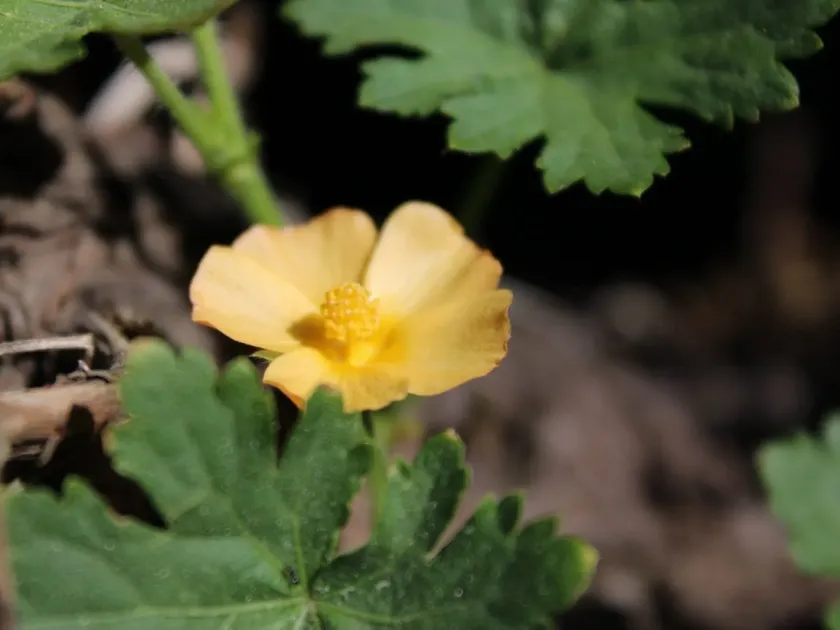
Description
Growing requirements
Modiolastrum malvifolium is a perennial plant species belonging to the Malvaceae family. It is recognized for its prostrate growth habit, where stems spread across the ground and form roots at the nodes, allowing the plant to form dense mats.
Originating from South American ecosystems, specifically within Argentina and Uruguay, this species thrives in climates that provide moderate temperatures. It demonstrates significant resilience and the ability to establish itself in diverse environmental conditions.
The plant requires well-drained soils that are rich in organic matter. While it is relatively versatile, it shows a clear preference for loamy textures that hold sufficient moisture without becoming waterlogged, as excessive saturation can inhibit root development.
Botanically, the leaves are lobed, similar to those found in other members of the mallow family, providing a distinctive appearance. The plant invests heavily in vegetative propagation, which is a key adaptation for its persistence in pasture environments.
In agricultural practice, this plant is evaluated for its potential as a forage source. Its nutritional profile, combined with its ability to withstand grazing pressure, makes it an interesting subject for studies in pasture management and livestock feed sustainability.
Main diseases and pests
Fungal diseases, including various rust fungi and powdery mildew, represent the most significant threat to the health of Modiolastrum malvifolium populations, especially when the canopy density is high and air circulation is restricted.
Insect pests, particularly aphids and beetles that target foliage, can cause substantial damage to the leaves. These pests are capable of significantly reducing the total biomass production of the stands if left uncontrolled.
Competition from aggressive weed species is a major challenge during the establishment phase. Proper land preparation and, if necessary, strategic weed control are vital to ensure the culture gains a competitive advantage early on.
Soil nutrient depletion can lead to stunted growth. Nitrogen and micronutrients must be managed according to soil testing results to maintain the vigor and regenerative capacity of the plant over multiple grazing cycles.
Integrated pest management (IPM) practices, including the use of resistant varieties and periodic field scouting, are recommended to maintain the productivity and longevity of the agricultural stands.