
Malva tournefortiana
Malva tournefortiana
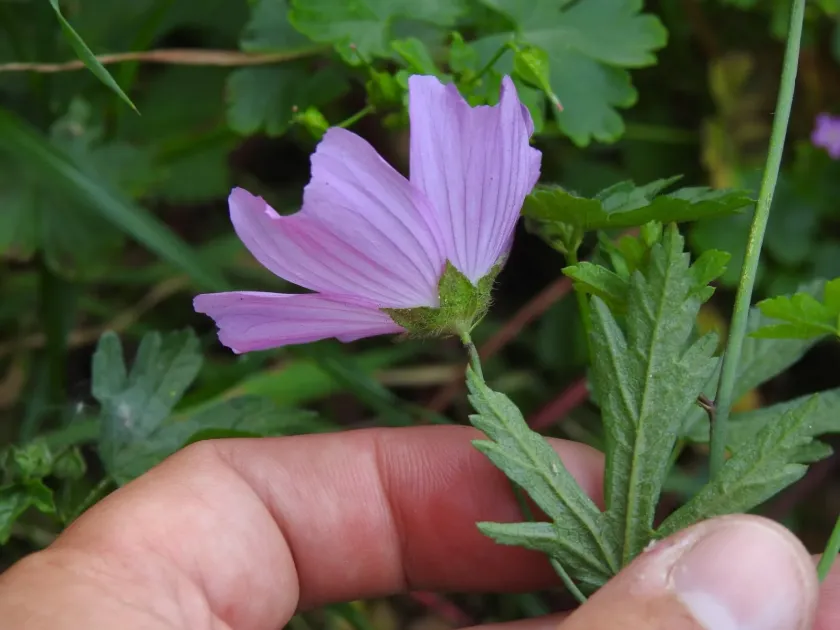
Description
Sowing dates
Malva tournefortiana is a herbaceous perennial or biennial plant belonging to the Malvaceae family. This crop demonstrates high adaptability to temperate climate conditions.
Seeds are sown primarily in the spring when the soil warms up to 10–12°C, ensuring stable germination and uniform development of the root system during the initial stages.
The seeding depth is usually 1–2 centimeters. It is important to maintain optimal plant density, as excessive overcrowding leads to stunted growth and reduced overall productivity.
In regions with mild winters, late-autumn sowing is also practiced, allowing the crop to utilize snowmelt moisture for an early start of vegetation and biomass formation.
For high-quality seed production, it is essential to choose well-lit areas, as the crop is highly demanding of intense sunlight to accumulate the necessary nutrients.
Growing requirements
The plant prefers loose, fertile loamy or sandy loam soils with a neutral pH level. An important condition is the absence of stagnant groundwater, to which the crop is extremely sensitive.
Malva tournefortiana shows high drought tolerance; however, to achieve commercial biomass yields, it requires regular irrigation during active growth periods and shoot formation.
The crop responds positively to the application of organic fertilizers, such as manure or compost, during pre-sowing soil preparation, which significantly increases protein content in the aerial parts.
The optimal temperature range for development is between 18 and 25°C. Sudden temperature fluctuations and late frosts during the growing season can negatively affect flowering and seed production.
During cultivation, regular weeding and loosening of inter-row spaces are critical to ensure aeration of the root system and to suppress weed interference at early seedling stages.
Yield
Agricultural use of Malva tournefortiana is focused on biomass production, used as an additional forage source for livestock, as well as a honey-producing plant.
The plant possesses good regenerative capacity, allowing for multiple cuttings per growing season, provided that soil moisture conditions remain favorable.
The yield of green mass directly depends on soil fertility and the level of agronomic care. Under intensive farming conditions, the crop can consistently produce high volumes of green fodder.
The seeds contain valuable fatty oils and mucilages, which drive interest from the pharmaceutical industry, where the plant is valued for its emollient and anti-inflammatory properties.
To maximize raw material collection, it is recommended to harvest during the peak flowering phase, when the concentration of beneficial bioactive compounds in leaves and stems is at its highest.
Main diseases and pests
The primary threat to this crop includes fungal diseases such as mallow rust, which infects leaves, covering them with characteristic pustules and reducing photosynthetic efficiency.
In high humidity conditions, plants may suffer from powdery mildew, which requires prophylactic fungicide treatments or strict adherence to crop rotation to reduce the pathogen load.
Among pests, aphids and various species of bugs cause the most damage, sucking juices from young leaves and shoots, significantly delaying bush development and reducing forage quality.
To control pests, it is recommended to use integrated protection methods, including attracting beneficial entomophages and using biopreparations that minimize pesticide residues in forage.
Strict adherence to crop rotation, ensuring that mallow does not return to the same site for at least 3–4 years, is a key factor in preventing the accumulation of specialized soil-borne pathogens.
Harvesting
Green mass harvesting is performed by cutting the stems. The timing depends on the intended use: for fodder — at the beginning of flowering; for seeds — when the seed pods turn brown.
When harvesting seeds, it is important not to let the pods dry out completely on the plants to avoid shattering and volunteer growth, as mallow seeds are highly viable and can infest the field.
Harvested material requires quick drying or processing into silage, as the high moisture content in the stems promotes rapid development of molds during storage under unfavorable conditions.
Mechanized harvesting is carried out with standard mowers adjusted to an optimal cutting height to avoid damaging the basal rosette, thereby ensuring subsequent regrowth of the crop.
After completing the harvest, it is necessary to perform deep soil cultivation and, if required, apply mineral fertilizers to restore soil fertility in preparation for the next season.