
Manchurian linden
Tilia mandshurica
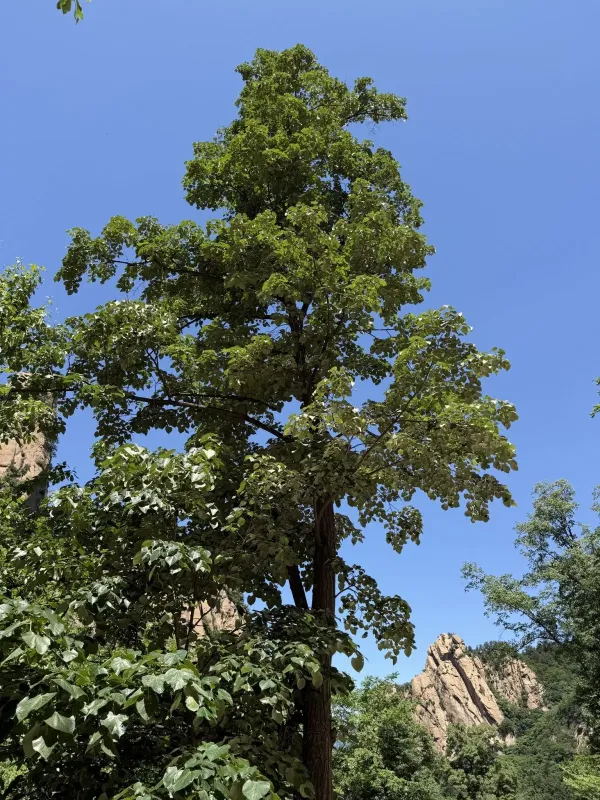
Description
Sowing dates
Propagation of Tilia mandshurica is primarily carried out via seeds. The seeds exhibit deep dormancy, requiring a mandatory stratification period of 3 to 6 months at low temperatures to ensure successful germination.
Autumn sowing is considered the most effective method, as it allows seeds to undergo natural stratification in the soil over the winter months. Spring planting requires pre-treatment of seeds in specialized nursery conditions.
Seeds should be sown in prepared soil at a depth of 2–3 centimeters. Consistent soil moisture is crucial throughout the germination process to ensure a high rate of seedling emergence.
In nursery production, transplanting (pricking out) seedlings during their second year is standard practice. This encourages the development of a robust root system, which is essential for survival after transplanting to a permanent location.
Manchurian linden grows slowly in its early stages. During this period, it is vital to keep the area free from weeds and maintain regular watering schedules until the trees are fully established.
Growing requirements
Manchurian linden belongs to the Malvaceae family and is native to the broad-leaved forests of the Far East. The tree thrives in deep, fertile, and well-drained soils rich in organic matter.
The species is highly winter-hardy and well-adapted to severe climatic conditions. While it is not demanding regarding heat, it is sensitive to prolonged drought, especially in its juvenile years.
The preferred soil pH ranges from neutral to slightly acidic. Proper drainage is essential, as waterlogging can damage the root system and increase susceptibility to fungal pathogens.
While Manchurian linden is shade-tolerant, which allows it to grow in forest understories, it achieves the best growth and ornamental appearance when grown in full sun, especially for optimal flowering and nectar production.
The natural range of the species covers Primorsky Krai, parts of China, and the Korean Peninsula. Cultivation in other temperate regions is possible provided that soil moisture and protection from extreme elements are maintained.
Yield
The primary economic value of Tilia mandshurica lies in its exceptional nectar production, making it one of the most important honey plants in its native range during the mid-summer blooming season.
Honey yield is heavily dependent on weather conditions; warm, humid days are ideal for stimulating nectar secretion. Favorable seasons can result in significant honey production per hectare of linden forest.
The timber of the Manchurian linden is highly valued in the woodworking industry for its softness, lightweight properties, and stability. It is widely used in furniture making, carving, and instrument crafting.
Linden flowers are harvested for their medicinal properties, containing bioactive compounds used in pharmaceutical and herbal products. Proper drying techniques are required to preserve the quality of the raw material.
The species also plays a significant role in ecological restoration and urban landscaping. Its dense foliage and ornamental flowers make it a preferred choice for city parks and environmental shelterbelts.
Main diseases and pests
The linden moth is a primary pest for Tilia mandshurica, as its larvae can defoliate significant parts of the canopy, weakening the tree's health and reducing its capacity to produce nectar.
Leaf spot is a common fungal disease associated with high humidity and poor air circulation within the tree crown. Thinning and sanitary pruning are effective preventative measures to control disease spread.
Powdery mildew may affect younger shoots, characterized by a white fungal coating. If detected, treatment with approved fungicides combined with proper cultural practices can mitigate the damage.
Aphid infestations can stress the tree by extracting sap from tender new growth. Monitoring for these pests is essential to prevent secondary infections and maintain the tree's vigor.
Wood-boring insects may target stressed or damaged trees. Ensuring the health of the individual trees through adequate fertilization and soil management is the best defense against trunk-boring pests.