
Alkali mallow
Malvella leprosa
Description
Growing requirements
Alkali mallow is a perennial herbaceous plant belonging to the Malvaceae family. It is recognized as a persistent weed that poses significant challenges to crop production.
Originally native to dry regions of North America, it has adapted to various climates globally, often thriving in disturbed lands and agricultural fields with poor soil management.
The plant thrives in alkaline soils and is exceptionally tolerant to drought conditions. Its deep-rooted system allows it to extract moisture from deep soil layers, outcompeting shallow-rooted crops.
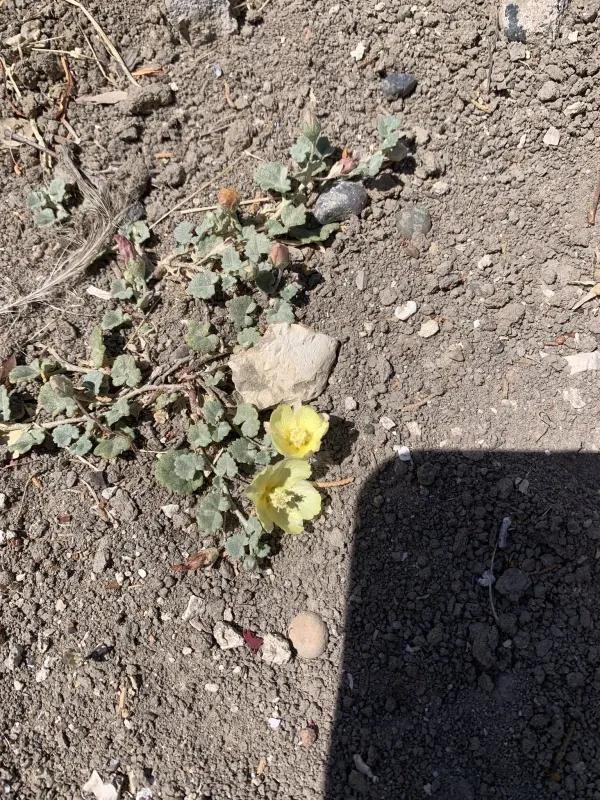
Botanically, it is characterized by greyish, hairy leaves and small flowers. It spreads aggressively via a complex network of rhizomes, making it difficult to eradicate manually.
Effective management requires a combination of deep tillage to disrupt the root systems and the application of selective systemic herbicides to ensure long-term suppression of re-growth.
Main diseases and pests
As a highly competitive weed, Alkali mallow severely impacts crop yields by depriving primary crops of essential water, nitrogen, and other soil minerals throughout the growing season.
The plant serves as a host for various pathogens and pests, potentially increasing the disease pressure on adjacent crops that share similar susceptibility to specific fungi.
Agricultural insects, including leaf-feeding beetles and mites, are frequently found on Alkali mallow, which can serve as a nursery for pests infesting valuable field crops.
The contamination of harvesting equipment and grain storage by Alkali mallow seeds leads to increased costs for cleaning and processing the harvested agricultural commodities.
Prolonged infestation depletes soil nutrients and disrupts the agricultural cycle, necessitating long-term crop rotation strategies to regain control over the affected fields.