
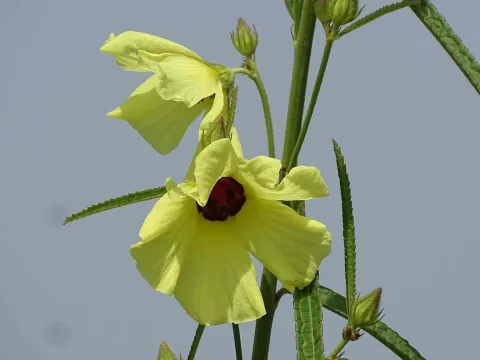
Scaly hibiscus
Hibiscus squamosus
Scaly hibiscus (Hibiscus squamosus) is a perennial shrub belonging to the Malvaceae family. Originating from tropical and subtropical areas, it prefers regions with stable warmth and high light intensity for optimal plant development.
What the section contains
Scaly hibiscus
The plant requires well-drained, porous soil to prevent moisture stagnation in the root zone. Sandy loam soils enriched with organic matter are ideal for maximizing the growth rate and structural integrity of the stems.
Temperature management is critical for Hibiscus squamosus. The crop thrives in environments where temperatures range between 22°C and 30°C and requires protection from frost, which causes irreparable damage to the vascular tissue.
Consistent solar exposure is essential for flower initiation and pigment development in the petals. In field conditions, proper row spacing should be maintained to ensure sufficient airflow between plants, reducing the risk of fungal outbreaks.
Regular fertilization with a balanced NPK ratio is recommended during the active growing season. Micronutrient supplementation can further improve the plant's stress resistance and enhance the overall quality of the foliage.
The primary pests affecting Hibiscus squamosus include spider mites and aphids. These insects tend to colonize the plant during hot, dry spells, necessitating early intervention and monitoring programs.
Powdery mildew represents a significant fungal threat, especially in humid and stagnant air conditions. Fungicidal applications are necessary if environmental controls fail to suppress the infection.
Root rot, often caused by Phytophthora species, occurs when soil drainage is poor. Improving soil structure and avoiding over-irrigation are the most effective preventive measures against this pathogen.
Thrips are known to damage the buds and young leaves, leading to deformed growth. Integrated pest management strategies, including the use of beneficial insects, are encouraged to maintain a healthy crop.
Systemic insecticides should be applied carefully to avoid harming pollinators, as the flowers of the scaly hibiscus are highly attractive to bees and other beneficial insects in the ecosystem.