
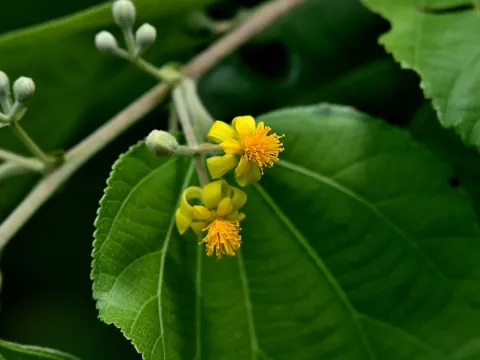
Phalsa
Grewia asiatica
Grewia asiatica, commonly known as Phalsa, is a deciduous shrub or small tree belonging to the Malvaceae family (subfamily Tiliaceae). It is a highly valued plant in South Asia, primarily cultivated for its refreshing, nutrient-rich drupes.
What the section contains
Phalsa
The plant is well-adapted to subtropical and tropical climates, thriving in regions with high temperatures and a distinct dry season. It is characterized by a strong resilience to drought, making it an excellent candidate for semi-arid agriculture.
For optimal growth, Grewia asiatica requires deep, well-drained loamy soils. It can tolerate a range of soil types, but waterlogged conditions must be strictly avoided to prevent root diseases and ensure healthy plant development.
Climate requirements include plenty of sunlight, which is essential for fruit ripening and sugar accumulation. While the plant can withstand extreme heat, it requires adequate irrigation during the flowering and fruit-setting stages to maximize yields.
Propagation is typically done through seeds or stem cuttings. In commercial orchards, maintaining a proper planting distance is crucial to ensure adequate sunlight penetration and air circulation for every plant.
The fruit of Grewia asiatica is a small, round drupe that turns from green to dark purple or black upon maturity. It has a characteristic acidic and sweet flavor, widely enjoyed fresh or processed into popular syrups and summer refreshments.
Productivity is significantly enhanced by annual pruning, which encourages the growth of new, vigorous fruiting wood. Plants respond very well to organic manuring, which improves soil health and contributes to a consistent annual yield.
Harvesting is a labor-intensive process due to the asynchronous ripening of the fruits on the tree. Multiple pickings are usually required throughout the season to ensure that all fruits are harvested at their peak maturity stage.
Besides the fruit, other parts of the plant are utilized. The bark is used to produce rope fibers, while leaves are sometimes used as cattle fodder or in traditional herbal medicine, demonstrating the multi-purpose utility of the species.
Storage of fresh Phalsa fruit is limited due to its highly perishable nature. Therefore, immediate post-harvest processing into pulp, jams, or bottled beverages is a common practice among farmers to reduce market losses.
The primary pests affecting Grewia asiatica include aphids, scale insects, and mealybugs. These pests suck sap from the young foliage, which can cause leaf curling and reduced photosynthesis if not managed early in the season.
Fungal leaf spots and powdery mildew can occur during periods of high humidity. Effective control involves maintaining good canopy management and utilizing preventive sprays to limit the spread of pathogens within the orchard.
Nematodes can affect the root system, particularly in sandy soil types. Implementing crop rotation and using nematode-resistant rootstocks or soil amendments are recommended strategies to manage this threat effectively.
Birds are a significant challenge during the harvest period, as they are highly attracted to the dark, ripe berries. Protective netting is often deployed in commercial setups to prevent major crop losses from avian pests.
Integrated Pest Management (IPM) is highly recommended for Phalsa. This includes monitoring for early signs of infestation and prioritizing biological control agents to keep the orchards productive and environmentally sustainable.