
Chiranthodendron
Chiranthodendron
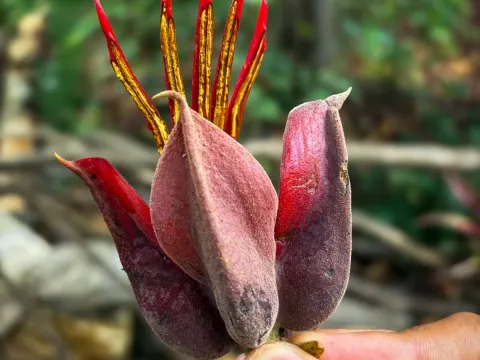
Chiranthodendron pentadactylon is a fascinating member of the Malvaceae family. This evergreen tree is world-renowned for its distinct, bright red flowers that resemble a five-fingered hand, earning it the common name Devil's Hand Tree.
What the section contains

Chiranthodendron
Native to the cloud forests of Mexico and Guatemala, this species thrives in high-altitude environments. It requires nutrient-rich, deep, and well-draining soil to support its vigorous root system and large canopy development.
The climate requirements for this plant include stable temperatures and protection from harsh, drying winds. While it is hardy in many respects, it prefers subtropical zones where it can benefit from ample sunlight and consistent atmospheric moisture.
Cultivation practices involve balanced irrigation strategies, ensuring the soil remains moist but not waterlogged. Mulching around the base can help maintain soil temperature and moisture levels, which is crucial during the plant's juvenile stages.
In terms of usage, the Chiranthodendron is highly valued as an ornamental specimen in tropical and subtropical landscaping. Its unique aesthetic qualities make it a primary attraction in specialized botanical collections.
The most significant threat to the health of the tree is root rot, which typically stems from poor drainage or overwatering during cooler seasons. Ensuring a porous substrate is vital for preventing this issue.
Pest management is focused on controlling scale insects and aphids, which may cluster on young shoots. Regular monitoring and the application of horticultural oils can effectively mitigate these infestations.
In greenhouse or sheltered environments, spider mites can become problematic if the humidity levels drop significantly. Maintaining proper ventilation and air circulation is essential for keeping the tree healthy.
Fungal infections on leaves can occur during periods of prolonged high humidity. Applying fungicides preventatively in early spring helps protect the dense foliage from potential blight.
Pruning is not only for aesthetics but also a core component of plant hygiene. Removing crowded branches prevents the buildup of moisture and pathogens, ensuring the tree remains robust and productive.