
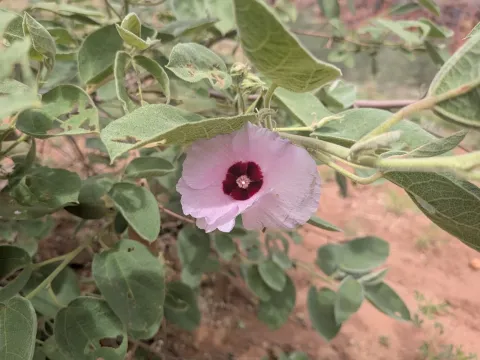
Cienfuegosia
Cienfuegosia
Cienfuegosia is a distinct genus within the Malvaceae family, comprising perennial herbs and subshrubs. These plants are native to the tropical and subtropical regions of Africa and the Americas, typically thriving in savannah-like environments and open, sun-drenched habitats.
What the section contains


Cienfuegosia
From a botanical standpoint, Cienfuegosia species are characterized by their palmately lobed leaves and large, striking flowers that exhibit typical malvaceous features, often with bright yellow or orange petals. They are primarily photophilous, requiring full sun exposure to maintain vigorous growth.
Optimal environmental conditions include temperatures consistently above 20°C. The species is highly frost-intolerant; exposure to freezing temperatures will cause significant physiological stress or mortality, limiting its cultivation to frost-free regions or controlled environments.
The soil requirements for this crop focus on high drainage capacity and aeration. The plants perform best in sandy-loam soils that prevent waterlogging, as the root systems are sensitive to hypoxia and prolonged contact with excessive moisture, which can trigger rapid decay.
Agricultural management requires careful attention to soil fertility. Regular nutrient supplementation with balanced fertilizers, particularly those rich in potassium, supports the prolonged flowering cycle and vegetative health of the plants throughout the growing season.
The primary pests affecting Cienfuegosia are aphids and spider mites, which frequently infest plants during periods of low humidity or drought. These pests compromise plant vitality by extracting sap and can serve as vectors for secondary viral infections.
Fungal diseases, such as leaf spot and anthracnose, represent significant threats under high humidity conditions. These pathogens thrive when air circulation is poor, necessitating adequate spacing between plants to reduce the microclimate humidity around the foliage.
Root rot, often caused by oomycetes or soil-borne fungi, remains the most critical threat in poorly drained soils. Once established, these pathogens are difficult to eradicate, often requiring the removal of infected plants to prevent further spread.
Nematode infestations in sandy soils can severely damage the root cortex, reducing the plant's ability to uptake water and nutrients. This results in stunted growth, yellowing foliage, and a significant reduction in overall plant vigor and productivity.
Effective management strategies involve an integrated approach: using clean propagation materials, monitoring pest populations early in the season, and ensuring optimal watering schedules to prevent the moisture levels that favor pathogenic outbreaks.