
Bastardiopsis myrianthus
Bastardiopsis myrianthus
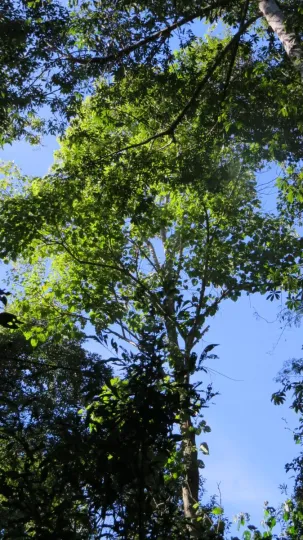
Description
Growing requirements
Bastardiopsis myrianthus is a robust, fast-growing tree species within the Malvaceae family. Recognized for its rapid development, it plays a vital role in tropical ecosystems and forestry projects in its native South American range.
The tree thrives in tropical climates where high temperatures and significant annual rainfall are consistent. It is classified as a pioneer species, meaning it is often among the first to colonize disturbed forest areas, effectively stabilizing the soil.
Optimal growth requires well-drained, fertile soil with a slightly acidic to neutral pH. Although it can adapt to various soil types, the quality and rate of wood production are significantly higher in deep, nutrient-rich substrates.
Climatic requirements are strict regarding moisture; the species does not handle prolonged drought well. Young trees are particularly sensitive to moisture deficits, necessitating consistent irrigation during the initial establishment phase.
Agrotechnical practices involve careful management of spacing to ensure adequate light exposure. As a photophilic species, Bastardiopsis myrianthus needs ample sunlight to maximize its photosynthetic capacity and achieve its full growth potential.
Harvesting
The wood of Bastardiopsis myrianthus is commercially valuable for various applications, including light construction, furniture, and paper pulp production. Its balanced structural properties make it a versatile raw material.
Harvesting strategies are typically aligned with sustainable forestry management cycles. Determining the correct harvest time is critical to balance the volume of wood produced with the structural quality required for specific industrial end-uses.
Post-harvest processing involves rapid drying to maintain the integrity of the timber. Since tropical wood often contains high initial moisture levels, controlled seasoning is essential to prevent degradation and fungal issues.
Biomass production is another significant use for this species. Thinning operations and plantation waste provide a sustainable source of energy biomass, supporting the circular economy within the forestry sector.
Effective plantation management also requires monitoring for localized pests that may affect saplings. Protecting the health of the trees ensures consistent yield and high-quality output for commercial distribution.