
Bastardiopsis eggersii
Bastardiopsis eggersii
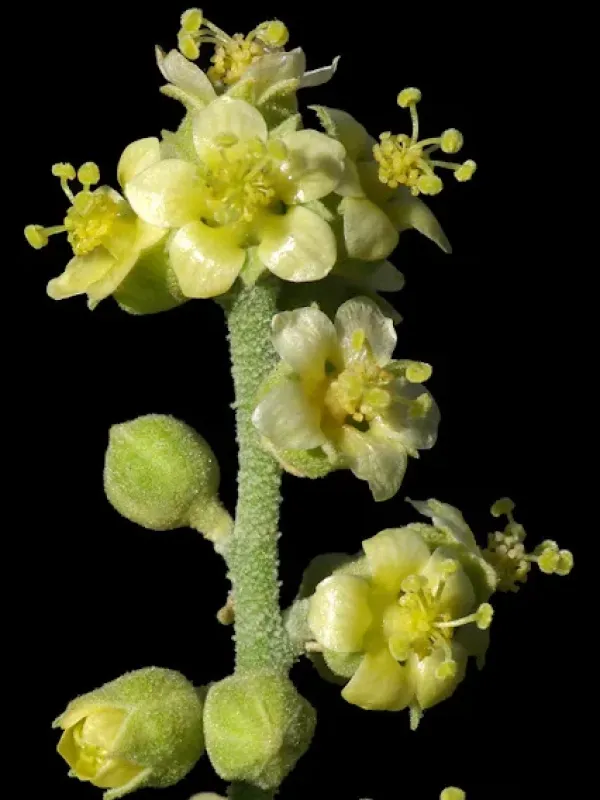
Description
Growing requirements
Bastardiopsis eggersii is a tree species belonging to the Malvaceae family. It is naturally adapted to tropical forest environments, where it plays a key role in the secondary successional stages of vegetation.
The plant thrives in fertile, well-drained soils that retain moisture without becoming waterlogged. Adequate soil depth is essential for the tree to develop a robust root system capable of supporting rapid vertical growth.
Environmental conditions require consistent tropical temperatures throughout the year. The species is highly sensitive to frost, which limits its commercial cultivation to frost-free regions with high solar radiation.
Sunlight is a critical factor for development. Being a heliophilic species, Bastardiopsis eggersii requires significant exposure to direct sunlight to maximize photosynthetic efficiency and structural integrity.
Agrotechnical management includes regular weed control during the establishment phase to eliminate competition for nutrients. Maintaining a clean area around each seedling ensures that the tree can invest energy into early development.
Yield
The primary economic value of Bastardiopsis eggersii lies in its wood production. The timber is recognized for its utility in various construction and craft applications, depending on the age of harvest.
Yield efficiency is directly linked to the silvicultural practices applied on plantations. Proper spacing and thinning allow individual trees to achieve optimal diameter and height, maximizing timber volume.
The biological growth rate of the species is relatively high compared to other tropical hardwoods, making it a viable candidate for forest plantations aimed at sustainable wood supply.
The biomass generated by the tree also serves an ecological function by contributing significant organic matter to the soil surface, thereby assisting in nutrient cycling and long-term soil health.
Harvesting is typically conducted based on the reaching of specific diameter milestones. The wood's physical properties are most uniform when grown under consistent climate conditions with balanced rainfall.
Main diseases and pests
Insect pests are the most common biological threat to Bastardiopsis eggersii, particularly those that feed on tender foliage and shoots, which can severely stunt the growth of young trees.
Fungal diseases are a persistent risk in humid environments. They often affect the root system or the bark, especially if the plantation lacks sufficient airflow or has poor drainage.
Competition from aggressive vines and invasive grasses can choke developing saplings. Mechanical weeding or the application of selective mulching is necessary to keep the seedlings free of canopy interference.
Wood-boring beetles can affect older stands, leading to internal wood decay and reduced market value for the timber. Regular inspections are recommended to manage any localized pest outbreaks.
Physical damage from severe weather events, such as tropical storms and strong winds, can result in broken branches or uprooting. Plantation design should account for wind patterns to minimize structural risks.