
Bastardiopsis densiflora
Bastardiopsis densiflora
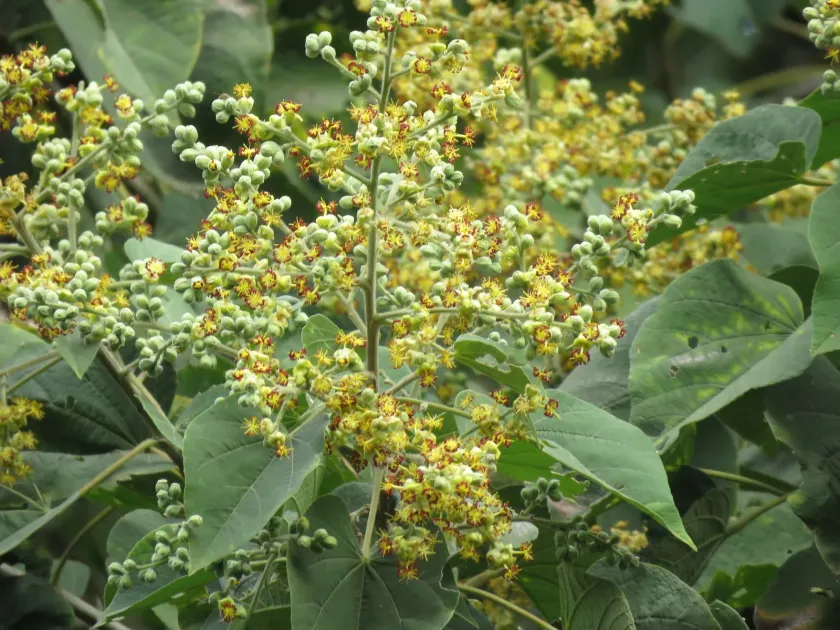
Description
Growing requirements
Bastardiopsis densiflora is a distinct woody species belonging to the Malvaceae family. This fast-growing tree is highly regarded for its potential in forestry and land management within tropical environments, where it exhibits excellent adaptation to native ecosystems.
The species is primarily native to South American tropical forests, particularly in Brazil. It thrives in high-humidity, warm climates, demanding consistent temperatures and abundant rainfall to maintain its rapid biomass production cycle throughout the year.
Optimal soil conditions for this crop involve deep, nutrient-rich substrates with effective drainage systems. While the species demonstrates a degree of tolerance to wet conditions, stagnant water remains a detrimental factor that can impede growth and health.
The plant requires high solar exposure to achieve maximum photosynthetic efficiency. In plantation settings, maintaining proper spacing between saplings is essential to prevent canopy competition and ensure that each individual tree develops a straight and healthy trunk.
Cultural management involves regular monitoring of soil moisture levels, especially during the establishment phase. Proper fertilization based on soil analysis can significantly enhance the growth rate and structural integrity of the wood during the peak development years.
Yield
The primary economic use of Bastardiopsis densiflora is for sustainable timber production. Its wood is appreciated for its structural properties, making it suitable for furniture manufacturing, construction applications, and high-quality plywood production.
Beyond timber, the species is frequently utilized in agroforestry initiatives for soil erosion control and canopy restoration. Its rapid growth rate enables the quick establishment of protective forest buffer zones that enhance the environmental quality of agricultural landscapes.
The yield potential of this crop is closely linked to silvicultural practices, including strategic thinning and pruning. These operations are vital for producing high-quality logs, reducing timber defects, and improving the overall financial return per harvested hectare.
Incorporating this species into diversified planting schemes allows for a balanced utilization of land resources. By diversifying the forest structure, managers can protect against pest outbreaks while simultaneously providing a reliable source of forest products over time.
Advances in forestry technology continue to optimize the rotation length for this tree, making it an increasingly attractive option for investors looking for renewable resource opportunities in tropical regions. Careful selection of planting sites remains the cornerstone of yield success.