
Apeiba tibourbou
Apeiba tibourbou
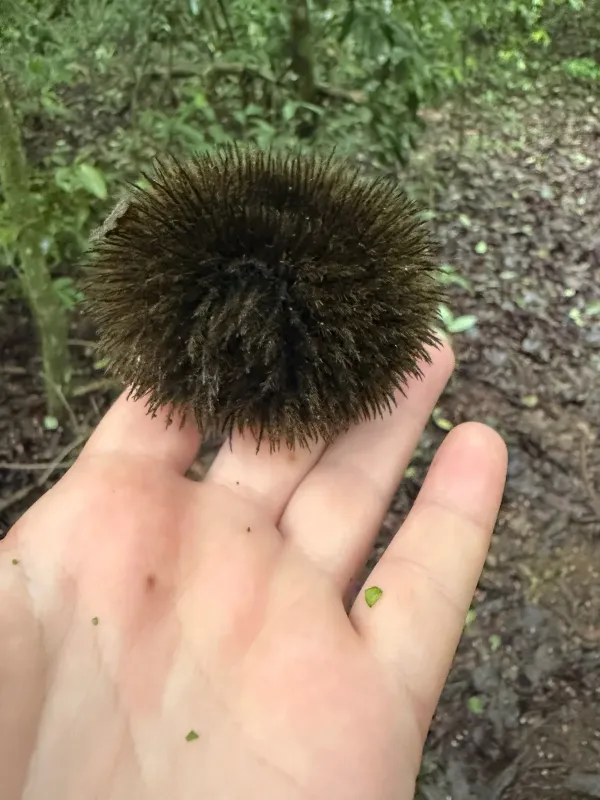
Description
Sowing dates
Apeiba tibourbou is primarily propagated through seeds collected from mature, healthy fruits. Proper seed storage is essential to maintain viability before sowing in specialized nurseries.
The seeds are planted in a loose, organic-rich medium to facilitate root development. Constant moisture and ambient tropical temperatures are critical for successful germination.
Seedlings typically emerge within several weeks. Once the plants reach a height of approximately 30-50 centimeters, they are ready to be transplanted into the field.
When sowing, it is important to ensure high-quality substrate and avoid deep burial of seeds, as they require subtle light cues to break dormancy.
In nursery conditions, the use of moderate fertilization regimes helps in developing a robust root system before the young trees are exposed to natural forest environments.
Growing requirements
Belonging to the Malvaceae family, this species thrives in tropical climates characterized by high annual rainfall and consistent, warm temperatures.
Apeiba tibourbou prefers deep, fertile soils with excellent drainage capabilities. It is particularly susceptible to root damage in waterlogged or heavy clay environments.
Sunlight exposure is a major factor for this plant; it performs best in full sunlight or very light shade. Growth is significantly hampered in dense, low-light forest understories.
The plant requires a high humidity level but also appreciates a distinct seasonal cycle where moderate drying occurs, which encourages the plant to harden its tissues.
Soil pH levels should be maintained in the slightly acidic to neutral range, allowing for the optimal uptake of micronutrients necessary for rapid biomass accumulation.
Yield
The primary economic output of Apeiba tibourbou is its lightweight and porous timber. It is highly valued in regions where durable yet light building materials are required.
Beyond timber, the fibrous bark serves as a sustainable source of materials for cordage and weaving, traditional industries that still hold value in rural economies.
The fruit of the tree can yield seeds with fatty acid profiles that offer interesting potential for bio-lubricants or cosmetic oil production in industrial settings.
Productivity metrics indicate that, with proper spacing and plantation maintenance, the tree shows rapid growth cycles, making it a viable candidate for reforestation projects.
Harvestable wood volumes are determined by the plantation age and the density of the canopy management practices employed by the agronomist.
Main diseases and pests
Boring insects represent the most significant threat to the tree's vascular health. Regular monitoring is essential to prevent significant timber degradation in growing trees.
Leaf blight and fungal spotting can occur during periods of excessive rainfall if airflow around the canopy is restricted by poor pruning practices.
Nematode infestations in the soil can stunt the growth of young seedlings. Using sterile planting media and crop rotation are the primary preventive strategies.
Invasive vines and creepers can easily overcome young Apeiba trees, effectively strangling them and depriving them of needed sunlight and nutrients.
Effective pest management involves integrated approaches, including the use of biological control agents and maintaining optimal tree vigor through balanced nutrition.
Harvesting
Timber harvesting is conducted using sustainable selection cutting methods to maintain the overall health of the plantation forest and ensure continuous yield.
The bark is harvested during the peak growing season to ensure it peels away from the trunk cleanly without inducing excessive mechanical stress on the tree.
Fruit collection is performed as fruits change color from green to brown, signaling maturity and the highest quality of the enclosed seed kernels.
Post-harvest logs are processed by removing branches and transporting them to drying facilities where controlled airflow prevents warping and checking.
Final storage requires dry and shaded conditions to preserve the structural integrity of the timber until it is ready for industrial conversion.