
Janusia guaranitica
Janusia guaranitica
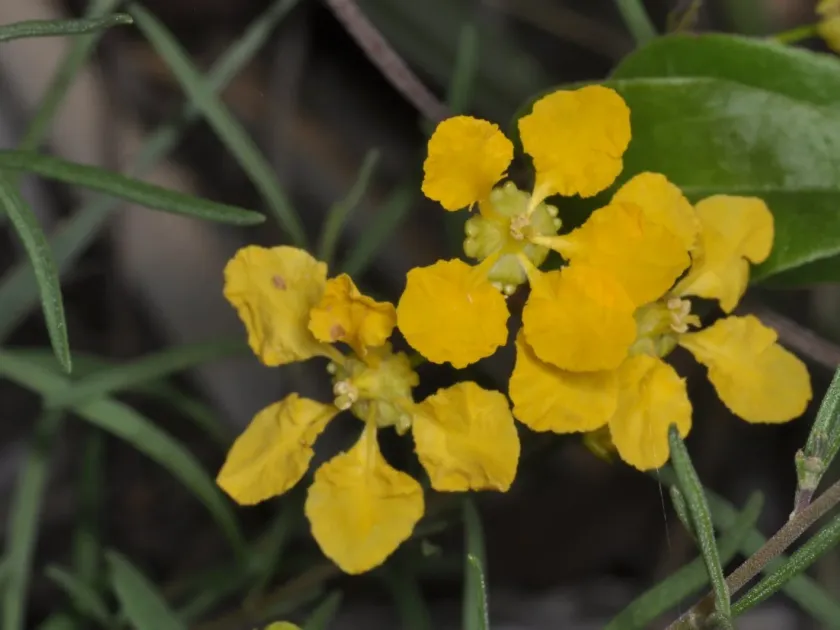
Description
Sowing dates
Janusia guaranitica is a perennial vine belonging to the Malpighiaceae family. Its growth pattern is characterized by rapid vegetative development, which makes it an interesting subject for specialized agricultural cultivation.
The sowing process begins in early spring, once the soil has consistently warmed up. Optimal germination occurs when temperatures remain between 20°C and 25°C, ensuring a strong start for the young seedlings.
It is essential to provide sturdy support structures or trellises before sowing. As a climbing plant, Janusia guaranitica requires vertical space to spread its foliage effectively and optimize its photosynthetic capacity.
Seeds should be planted at a depth of approximately 1 to 2 centimeters. Maintaining consistent soil moisture during the germination phase is critical, as the seeds are sensitive to desiccation in the topsoil layer.
Proper spacing between rows is recommended to ensure adequate airflow and sunlight penetration. Standard spacing practices help prevent the overcrowding of vines, which is vital for long-term plant health and vigor.
Growing requirements
This species thrives in high-light environments, requiring full sun to reach its full physiological potential. Insufficient sunlight will lead to spindly growth and reduced overall biomass production.
Soil requirements are centered on excellent drainage. The plant is highly intolerant of waterlogged conditions, which can quickly lead to root rot. Well-aerated, sandy-loam soils are ideal for supporting the root structure.
The species is sensitive to extreme cold, necessitating careful management in temperate climates. While it can handle minor fluctuations, frost protection is required if the plant is to be kept as a perennial.
Watering should be balanced: moderate but consistent. During peak summer temperatures, supplemental irrigation is necessary to prevent wilting, but overwatering must be strictly avoided at all times.
Nutrient management involves balanced fertilization with a focus on organic matter. This supports soil structure and provides a slow-release source of micronutrients necessary for the plant’s complex metabolic processes.
Main diseases and pests
Fungal pathogens associated with high soil moisture are the primary threat to the health of Janusia guaranitica. Preventive measures include ensuring good soil drainage and avoiding dense, damp planting environments.
Common pests such as aphids and spider mites can impact plant health during periods of heat stress. Regular scouting of the leaves and stems is essential for early detection and mitigation of pest populations.
Powdery mildew may develop if there is insufficient air circulation within the plant canopy. Ensuring proper row spacing and regular thinning of foliage can significantly reduce the incidence of this disease.
Root rot is often the most destructive threat, typically resulting from irrigation mismanagement. Once infected, plants show rapid decline, making prevention through controlled watering the only effective solution.
Integrated pest management strategies should be employed to maintain yield quality. This involves a combination of biological controls and cultural practices that favor the plant’s natural resistance mechanisms.