
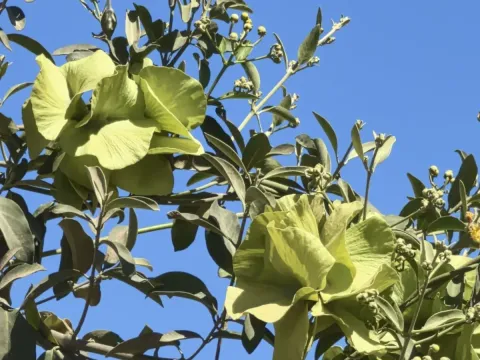
Callaeum
Callaeum
Propagation of Callaeum is primarily achieved through seeds or stem cuttings. Seed sowing should ideally occur in the spring when temperatures consistently exceed 20 degrees Celsius, ensuring a stable environment for germination.
What the section contains

Callaeum
Seeds require scarification to break dormancy and facilitate rapid moisture absorption. Once prepared, they are sown in well-draining, lightweight soil media at a depth of approximately 1 to 2 centimeters.
Cuttings should be harvested from healthy, vigorous stems and planted in a moist, nutrient-rich rooting substrate. High humidity levels in the initial weeks are essential for root development.
Seedlings and young cuttings must be shielded from intense direct light and harsh winds until they establish a robust root system. Gradual acclimatization to outdoor conditions is necessary before final transplantation.
Consistency in moisture levels during the early stages of growth is paramount to prevent seedling dehydration and ensure a high establishment rate of the young plants.
Callaeum, a member of the Malpighiaceae family, is a climbing genus that thrives in tropical and subtropical climates. It requires consistent warmth and protection from frost to maintain its vegetative vigor.
The ideal soil for Callaeum is well-drained, fertile, and slightly acidic or neutral in pH. Improving soil structure with organic amendments can significantly enhance the development of the root system.
Light requirements for this plant include ample indirect sunlight. While it can tolerate partial shade, full exposure to harsh afternoon sun may lead to leaf chlorosis or tissue burning, necessitating careful site selection.
Watering must be balanced; while the plant requires moisture for growth, waterlogged soil must be avoided at all costs to prevent root hypoxia. Regular monitoring of the soil moisture profile is recommended.
Given its growth habit, providing sturdy vertical support is essential. The plant utilizes its vining capabilities to climb and expand, requiring adequate space to facilitate healthy airflow throughout the canopy.
The primary threats to Callaeum include common greenhouse pests such as spider mites, aphids, and scale insects. These pests can cause significant damage to the foliage and sap-conducting tissues if left unchecked.
Fungal pathogens, particularly those causing root rots and leaf spots, often thrive in environments with poor air circulation or excessive moisture. Proper spacing and airflow management are the most effective preventive measures.
Powdery mildew can develop under conditions of fluctuating humidity and stagnant air. Maintaining a clean cultivation environment and removing debris helps reduce the inoculum load.
If an infestation or disease occurs, targeted application of appropriate insecticides or fungicides should be implemented based on the specific type of threat identified during regular inspections.
Balanced fertilization is also a factor; over-fertilization with nitrogen can create soft, succulent tissue that is more attractive and vulnerable to pest colonization and disease outbreaks.
While Callaeum is primarily grown for its aesthetic value in ornamental landscapes, harvesting is typically limited to the collection of seeds for future propagation. Seed pods should be harvested when they are fully mature and begin to show signs of browning.
Care must be taken to gather seeds before the pods dehisce and disperse their contents naturally. Post-harvest, seeds should be dried in a cool, well-ventilated area before being stored for the next growing season.
For research or nursery purposes, stem cuttings may be harvested throughout the active growing season. Pruning for this purpose also serves to maintain the shape and health of the mother plant.
Harvesting of vegetative material should be conducted using sterilized tools to prevent the transmission of pathogens between plants. This practice is crucial for maintaining a healthy nursery stock.
Following any significant harvest or pruning activity, the plants should be monitored closely for any signs of stress, ensuring they receive adequate water and nutrients for quick recovery.