
Heteropterys laurifolia
Heteropterys laurifolia
Description
Growing requirements
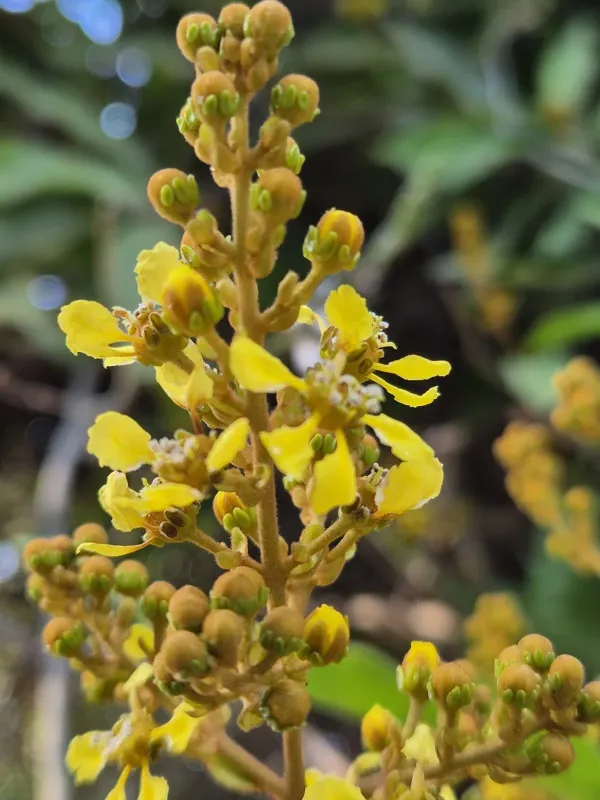
Heteropterys laurifolia is a robust woody vine belonging to the Malpighiaceae family. This species is native to the tropical regions of the Americas, thriving in dense jungle environments and along forested borders.
The plant requires a strictly tropical climate to prosper, characterized by high humidity and consistent warmth throughout the year. Frost or cold snaps are fatal to this species, necessitating greenhouse conditions in non-tropical zones.
Soil requirements involve well-draining, nutrient-rich substrates that mimic the natural leaf litter found in tropical rainforests. Proper aeration of the root system is essential to prevent fungal outbreaks in the root zone.
As a climbing plant, Heteropterys laurifolia depends on structural support to reach maximum growth potential. Trellises or existing woody tree structures are mandatory in a cultivated setting to manage the foliage expansion.
Water management is critical, as the plant needs constant moisture without the risk of waterlogging. An automated irrigation system that maintains a balanced soil moisture level is the most effective approach for commercial production.
Harvesting
The harvest of Heteropterys laurifolia focuses on the selective gathering of leaves and bark. Practitioners typically wait for the plant to achieve a certain age before initiating the first harvest cycles.
Manual harvesting techniques are preferred to ensure that only the most mature and healthy leaves are collected. This selective approach preserves the longevity of the vine and maintains overall plantation health.
Immediately after harvest, the biomass is transported to drying facilities. Minimizing the time between cutting and processing is vital to prevent chemical degradation of the plant’s active constituents.
Drying is performed in controlled, shaded environments to avoid exposure to direct sunlight, which can alter the chemical composition of the final product. Consistent airflow is required to ensure an even moisture removal.
Once dried, the botanical material is packaged in moisture-resistant containers. Stable storage conditions are required to maintain the potency and quality of the collected plant parts over extended periods.