
Heteropterys purpurea
Heteropterys purpurea
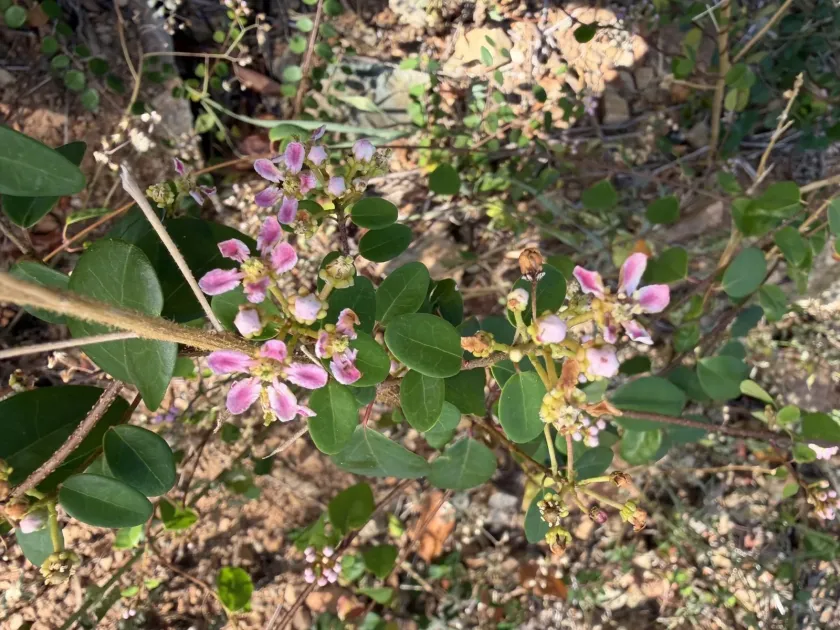
Description
Sowing dates
Heteropterys purpurea is a perennial, woody vine belonging to the Malpighiaceae family. It is native to the tropical forests of the Americas, where it thrives in warm, humid conditions as a climbing plant that utilizes forest structures to reach sunlight.
Propagation is most effectively achieved through stem cuttings. Semi-hardwood cuttings should be taken during the growing season and placed in a well-draining medium. Maintaining a constant temperature of 22–25°C and high atmospheric humidity is crucial for successful rooting.
Seed propagation is also possible but requires fresh seeds sown immediately after maturation. The seeds should be covered with a light layer of soil and kept consistently moist until germination, which can be an irregular process depending on seed viability.
The plant requires robust support systems such as trellises or vertical frames to facilitate its climbing habit. Without proper structural support, the plant's vigor is directed toward ground growth, which often results in poorer development and increased susceptibility to pests.
Transplanting into the permanent location should occur during periods of stable warmth. Young plants require a hardening-off period to adjust to higher light intensity, especially if they have been propagated in greenhouses or indoor nursery environments.
Growing requirements
This species prefers nutrient-rich, slightly acidic to neutral soils. The most critical soil requirement is excellent drainage, as the roots are sensitive to waterlogging and can quickly develop fungal issues if exposed to standing water.
In terms of light, Heteropterys purpurea favors bright, indirect sunlight. While it can tolerate partial shade, insufficient light will lead to elongated, weak stems and significantly reduced blooming, which is a key aesthetic feature of the plant.
Temperature management is vital, as this plant is strictly tropical. It thrives best in temperatures between 20°C and 28°C and should be protected from any exposure to frost or temperatures below 10°C, which can cause severe physiological stress and foliage drop.
High relative humidity is necessary for optimal growth. In indoor or arid environments, regular misting of the leaves or the use of humidifiers helps mimic the natural forest floor atmosphere and prevents the edges of leaves from drying out.
Watering frequency should follow the drying cycle of the topsoil. It is better to provide frequent, moderate moisture than heavy, infrequent watering sessions. Ensuring the pot or planting hole has adequate drainage holes is essential to prevent root asphyxiation.
Yield
The primary use of Heteropterys purpurea is in ornamental horticulture and landscape design. It is highly valued for its ability to create dense, green vertical screens and for its attractive flowers that bring an exotic aesthetic to tropical and conservatory landscapes.
While not a major commercial food crop, its biomass and fruit have been subject to interest in phytochemical studies. Certain species within the Malpighiaceae family possess compounds of pharmacological interest, leading to potential investigations into the medicinal properties of this vine.
In commercial nurseries, production is focused on the health and vigor of young plants. Growers measure yield by the number of successful propagules and the speed at which they cover trellis panels, which determines the plant's marketability as a landscape element.
The plant contributes to the local microclimate when grown in density, helping to shade the soil and increase ambient humidity. This ecological role makes it a useful component in sustainable tropical garden designs aimed at reducing soil evaporation.
Seed harvesting is performed when the winged fruits reach full maturity. Careful timing is needed to collect the seeds before they are dispersed by the wind, ensuring that the nursery has sufficient inventory for the next cultivation cycle.
Main diseases and pests
Common pests include spider mites and mealybugs, which are particularly problematic in greenhouse settings with lower humidity. These pests feed on the plant's sap, leading to weakened growth and the appearance of yellow, mottled spots on the foliage.
Fungal diseases, such as leaf spots and anthracnose, can occur if there is poor air circulation. It is essential to prune dense growth to encourage airflow through the canopy, which naturally reduces the moisture levels that promote fungal pathogen development.
Root rot is the most serious threat, usually caused by improper soil aeration or overwatering. If symptoms appear, the plant should be inspected immediately, with decayed roots pruned away and the remaining root system repotted into fresh, coarse substrate.
Integrated pest management, including the use of neem oil or biological controls like predatory mites, is recommended over the exclusive use of harsh chemical pesticides, as these alternatives are safer for the delicate leaf surface and the environment.
Regular sanitation, such as removing fallen leaves and pruning dead branches, is a standard preventative practice. This simple maintenance routine prevents the buildup of organic matter that can serve as a breeding ground for pests and diseases.