
Tree germander
Teucrium fruticans L.
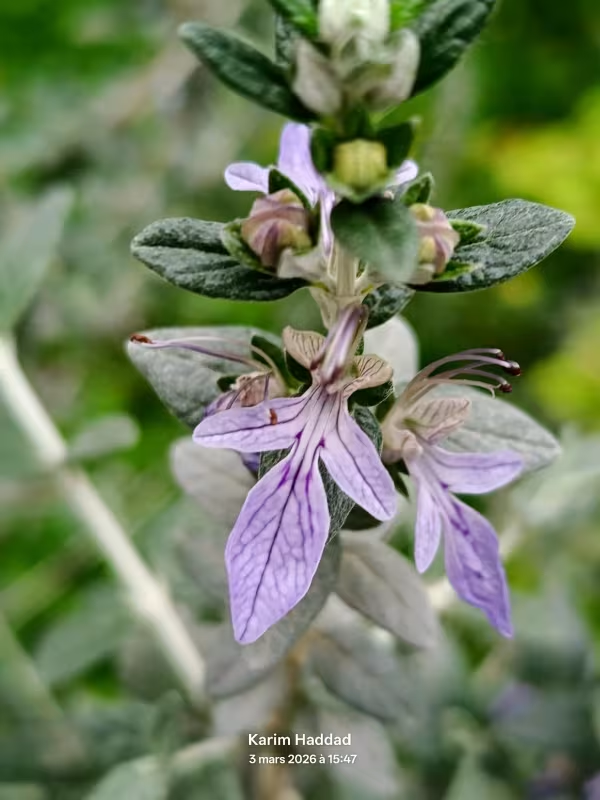
Description
Sowing dates
Tree germander (Teucrium fruticans L.) is a perennial shrub belonging to the Lamiaceae family. It is best propagated by semi-ripe cuttings taken in late summer or early autumn, which allows for consistent genetic characteristics and faster root development compared to seeds.
When planting, ensure a spacing of at least 0.8 to 1.2 meters between individual plants to accommodate growth and ensure proper air circulation, which is crucial for preventing humidity-related diseases in the shrub canopy.
Soil preparation involves creating a well-draining environment. In heavy soils, incorporating sand or fine gravel is necessary to prevent waterlogging, as the species is highly intolerant of wet feet during the dormant season.
Transplanting should occur once the root system is well-established in nursery containers. The best time to move the shrubs to the field is during the early spring, giving them enough time to acclimate before the arrival of extreme summer temperatures.
Initial irrigation is required to establish young plants, but once the shrub is fully rooted, it displays remarkable resilience and can thrive with minimal supplemental water in most soil conditions.
Growing requirements
The plant thrives in full sunlight, which is essential for maintaining its iconic silver-grey foliage color and dense growth habit. Growing it in shaded conditions often results in leggy branches and decreased overall plant vigor.
It prefers alkaline to neutral, lime-rich, and rocky soils. Excellent drainage is non-negotiable; therefore, elevated garden beds or slopes are often ideal sites for its cultivation in regions with significant rainfall.
Tree germander is exceptionally drought-tolerant once established. It is well-suited for xeriscaping and Mediterranean climate agriculture, requiring very little attention once it has matured in its environment.
In terms of temperature, it prefers mild conditions. While it can withstand occasional light frosts, prolonged exposure to temperatures below -10°C may cause severe dieback. In colder zones, it is often treated as a container crop and moved indoors during winter.
Regular maintenance pruning is a requirement rather than an option. Pruning should be performed immediately after the flowering period to encourage new growth and maintain a neat, compact structure, preventing the plant from becoming woody at the base.
Main diseases and pests
The primary threats to the health of Tree germander are related to root pathogens and fungal diseases. These occur almost exclusively when the soil remains too moist or when air circulation around the base of the plant is inhibited by weeds.
While the aromatic oils in the foliage act as a natural repellent against many pests, aphids can occasionally infest the soft growth of young shoots during the spring. Monitoring is advised during the early stages of seasonal growth.
In dry conditions, particularly in greenhouse settings, spider mites may present a challenge. Maintaining appropriate humidity levels and ensuring good ventilation are the best non-chemical control methods for managing these pests.
Root rot is the most common cause of failure in agricultural settings. This is usually due to improper site selection, such as planting in low-lying areas where water accumulates after heavy rain events.
- Regular removal of weeds around the base.
- Sanitary pruning to remove dead or decaying branches.
- Checking soil drainage capacity before initial planting.