
Galeopsis reuteri
Galeopsis reuteri
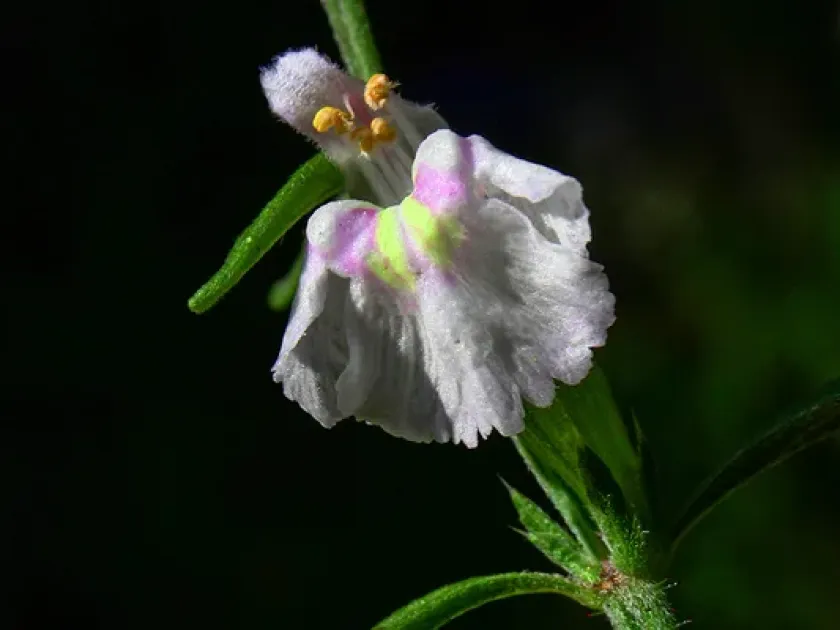
Description
Sowing dates
Galeopsis reuteri is an annual herbaceous plant that begins its development from seed germination in the spring. Optimal timing for seedling emergence typically occurs in late April or early May, as soil temperatures consistently rise.
The plant shows high adaptability to sowing dates within the framework of agricultural ecosystems. Its seeds possess a high germination energy, allowing the crop to establish itself efficiently compared to other competitors in the field.
Sowing depth should be carefully controlled, ideally not exceeding 2–3 centimeters. Proper soil preparation is essential to ensure uniform germination and to provide the developing root system with access to vital nutrients.
In modern agricultural practices, controlling the population of this species requires an understanding of its life cycle. It completes its development rapidly, allowing it to compete effectively with late-sown crops if not managed properly.
The species has a short vegetation period from germination to seed maturation, which allows it to thrive in varied climates where moisture availability fluctuates throughout the season.
Growing requirements
Belonging to the Lamiaceae family, this species has specific needs regarding its growing environment. It favors moderately moist, well-aerated soils with a good supply of nitrogenous compounds for optimal biomass development.
Galeopsis reuteri performs best on loamy or sandy loam soils with a neutral to slightly acidic pH. Highly compacted or waterlogged areas should be avoided, as these conditions significantly inhibit root development and overall plant vitality.
Climatic factors significantly influence the distribution of this plant. It is relatively resistant to temperature fluctuations but requires stable exposure to sunlight to maintain its photosynthetic activity and chemical composition.
Regular maintenance, such as loosening the inter-row space, is recommended to improve gas exchange for the root system. This practice not only aids the plant but also helps manage soil moisture more effectively during dry spells.
Balanced fertilization is crucial for this crop. Excessive mineral nitrogen can lead to rapid vegetative growth that may reduce the concentration of active substances, so organic enrichment is preferred for sustainable farming.
Yield
The yield of Galeopsis reuteri is primarily measured by the weight of the harvested above-ground biomass. In favorable conditions, the plant can produce significant yields per square meter when managed with appropriate agricultural techniques.
Maximum productivity, especially regarding medicinal quality, is achieved during the peak flowering stage. Harvesting at this precise time is essential to ensure the highest concentration of beneficial compounds in the harvested material.
While the species is naturally hardy, its yield is highly dependent on sufficient moisture during the blooming phase. Drought conditions during this critical period can lead to a significant decrease in the final biomass volume.
Harvesting techniques typically involve cutting the plants at a specific height. Whether done manually or mechanically, the goal is to obtain clean, high-quality plant parts while minimizing waste and soil contamination.
Future potential for commercial production remains linked to strict adherence to agronomic norms, including effective weed management and the maintenance of soil fertility through crop rotation.
Main diseases and pests
The species is susceptible to typical diseases affecting the Lamiaceae family. Powdery mildew is a major concern, particularly in environments with high humidity and poor air circulation, which can compromise plant health.
Pests such as aphids and various weevils may damage the young leaves and shoots. Integrated pest management, focusing on biological controls and minimal chemical usage, is recommended to preserve the quality of the harvested biomass.
Root rot, often caused by Fusarium species, represents a serious threat in waterlogged soils. Prevention focuses on selecting sites with good drainage and ensuring appropriate plant spacing to maintain healthy air movement around the stems.
Inappropriate agricultural practices, such as over-fertilization, can increase the plant's susceptibility to infections. Keeping the crop healthy through proper rotation is the best preventive strategy against various pathogens.
- Powdery mildew infections
- Leaf-eating insect pests
- Root rot in waterlogged soils
- Competition from invasive weed species
- Damage from improper harvesting tools
Harvesting
Harvesting Galeopsis reuteri must be conducted during the peak flowering period to ensure the highest quality of raw material. This timing is essential for both medicinal and industrial applications where specific botanical compounds are required.
Cutting should be performed 5–10 centimeters above the soil level to avoid collecting dirt or damaged plant material. The harvest must take place in dry weather to facilitate rapid drying and prevent decay.
Post-harvest processing involves spreading the plant mass in a shaded, well-ventilated area. Direct sunlight is strictly avoided to prevent the loss of volatile oils and to maintain the desired natural color of the product.
Once dried, the plant material is milled and packaged in airtight containers to preserve its chemical profile. Storage environments should remain cool, dry, and dark to ensure the product remains stable for long-term use.
Quality control during every stage of harvesting and drying determines the value of the final product. Meticulous handling helps prevent the degradation of fragile botanical components and ensures a market-ready result.