
Wall germander
Teucrium chamaedrys L.
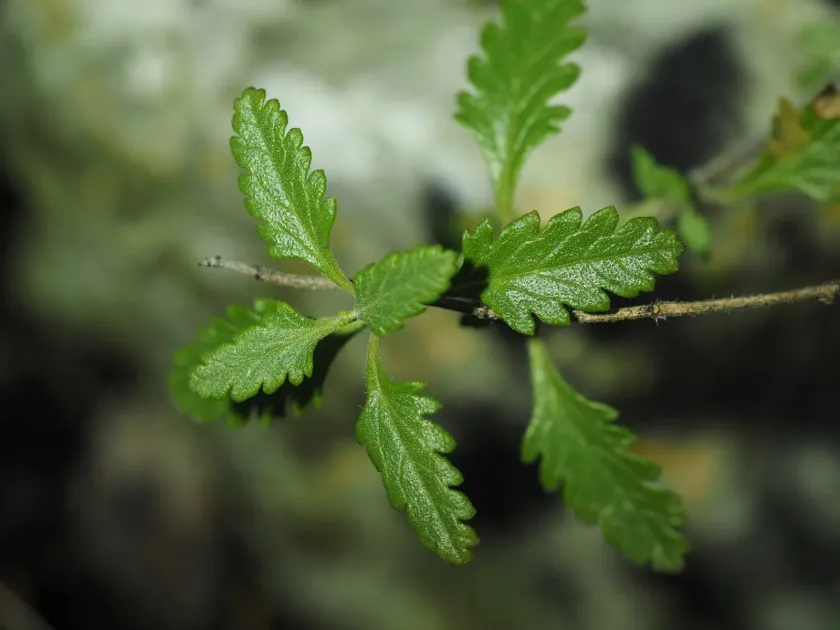
Description
Sowing dates
Wall germander is typically propagated by seeds, which should be sown in early spring as the soil begins to warm. Sowing can also be performed in late autumn to benefit from natural stratification, ensuring a more uniform germination rate in the following spring.
When starting from seeds indoors, use trays with a well-draining seed-starting mix. Surface-sow the seeds and press them lightly into the soil, as they require light to germinate effectively. Maintain an ambient temperature of around 20 degrees Celsius for optimal results.
Seedlings should be pricked out into individual pots once they develop their first set of true leaves. This promotes the development of a strong root system, preparing the young plants for transplanting into the field after the risk of frost has passed.
Transplanting outdoors is usually scheduled for late May. A spacing of approximately 30 to 40 centimeters between plants is recommended, allowing for sufficient airflow and facilitating regular weeding and management tasks throughout the growing season.
For more rapid propagation, vegetative methods such as division in early spring or softwood cuttings taken in summer are highly effective and allow growers to maintain the genetic consistency of the plant stock.
Growing requirements
Wall germander is a perennial subshrub belonging to the Lamiaceae family. It is a highly resilient plant that thrives in full sun, making it ideal for open, well-exposed fields where other plants might struggle due to heat or light intensity.
Soil requirements are relatively modest; however, the plant excels in calcareous, stony, or well-drained sandy loams. Drainage is the most critical factor, as stagnant water can lead to root decay and overall plant decline, especially in wetter climates.
The optimal soil pH range for wall germander is neutral to slightly alkaline. It performs well in poor soil conditions, meaning heavy fertilization is generally unnecessary and could even be detrimental to the concentration of its secondary metabolites.
The plant is hardy, but in regions with harsh, snowless winters, it may benefit from a light mulch of organic matter to protect the root crown. Its drought tolerance makes it a sustainable crop for regions with limited rainfall or water access.
Routine maintenance involves light weeding and occasional hoeing between rows to improve soil aeration. Irrigation should be minimized once the plants are established, focusing only on periods of prolonged drought during the first year.
Yield
The primary economic output of a wall germander field is the dried aerial biomass, rich in essential oils and tannins. Yields are typically measured in dry weight and vary based on the stand density and the age of the plantation.
The harvest should coincide with the peak flowering period, which usually occurs during mid-summer. This timing ensures that the plant contains the highest concentration of active compounds, essential for both medicinal and cosmetic industry standards.
A well-managed plantation can provide consistent yields for several years. Since the plant is a subshrub, proper pruning after harvest encourages vigorous regrowth, extending the productive life of the field significantly.
Post-harvest processing is critical for maintaining product quality. Proper drying in a shaded, well-ventilated area is essential to prevent the degradation of volatile compounds, which are often the primary value-adding components in this herb.
To optimize yields, avoid excess nitrogenous fertilization, as it tends to favor excessive vegetative growth at the expense of aromatic potency. Phosphorus and potassium are preferred if fertilization is required to support plant longevity.
Main diseases and pests
Fungal diseases, such as powdery mildew or root rot, represent the most significant threat to wall germander, particularly in humid environments. Ensuring adequate drainage and maintaining spacing between plants are the best preventative measures.
Pests like aphids and spider mites can occasionally affect young foliage. Integrated pest management, including the introduction of beneficial insects or the use of eco-friendly soaps, can effectively control these populations without contaminating the final harvest.
In cases of high pest pressure, ensure that any control measures used are compatible with organic or pharmaceutical quality standards. Many pesticides are strictly prohibited due to the risk of residues in the final herbal product.
Weed management is crucial during the early stages of growth, as the plant can be slow to establish. Once the canopy fills in, the plant acts as a natural groundcover, significantly reducing the pressure from competing invasive weeds.
- Monitor for leaf discoloration.
- Improve air circulation.
- Avoid over-watering.
- Scout for aphid colonies.
Harvesting
Harvesting is performed by cutting the stems about 10–15 centimeters above the ground. Using a sharp, clean tool ensures that the plant tissue remains intact, facilitating faster recovery for subsequent growth cycles or future harvests.
The best time to harvest is on a dry day, ideally after the morning dew has completely evaporated. This practice reduces the initial moisture content of the biomass, making the subsequent drying process more efficient and energy-effective.
Collected biomass should be loosely packed in crates to allow air to flow through the material. Moving the harvest to the drying facility immediately prevents the biomass from heating up due to respiration and prevents quality loss.
The drying process should take place at temperatures between 35 and 40 degrees Celsius. Higher temperatures may cause the essential oils to volatilize, whereas lower temperatures may lead to mold, making precise climate control a priority.
Once dried to the point where the stems are brittle, the leaves and flowers are separated and cleaned. Store the final product in airtight, light-protected containers to ensure it remains stable and potent for as long as possible.