
Gmelina fasciculiflora
Gmelina fasciculiflora
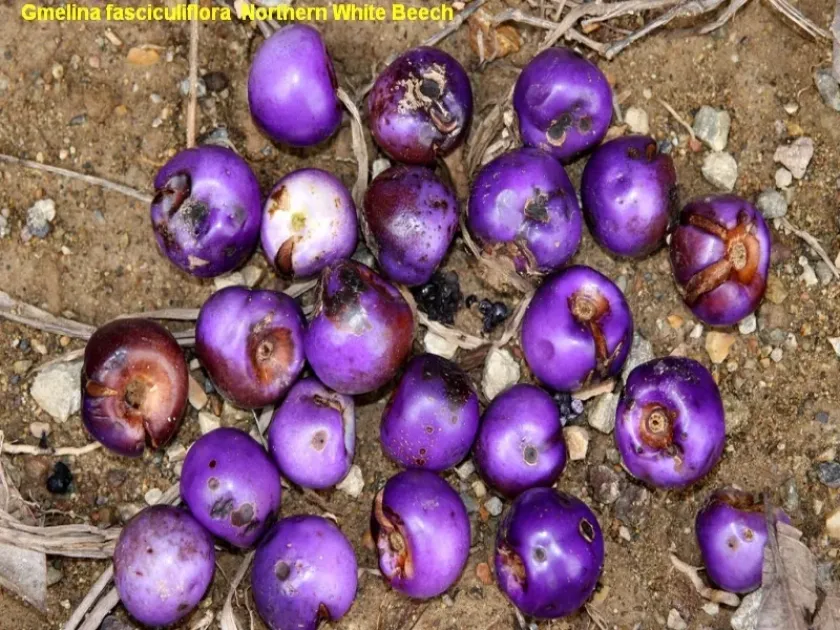
Description
Growing requirements
Gmelina fasciculiflora is a tropical tree species belonging to the Lamiaceae family. It is native to the rainforest regions of northeastern Queensland, Australia, where it thrives in humid conditions.
The climate requirements for this species are strictly tropical. It prefers regions with consistent high temperatures and significant annual rainfall to support its rapid growth rate throughout the year.
Regarding soil, the tree demands fertile, well-drained, and deep substrates. It performs poorly in waterlogged conditions, making proper soil preparation and drainage essential for plantation health.
Cultivation practices necessitate regular weed control during the establishment phase. Young trees are sensitive to competition for nutrients and light, which requires diligent maintenance in the first few years.
Exposure to direct sunlight is crucial for the optimal development of the crown. While it can handle partial shade when young, full sunlight is preferred as the tree matures to ensure structural integrity.
Harvesting
The primary economic use of Gmelina fasciculiflora is timber production. Its wood is valued for its versatility, ease of machining, and fine texture, making it suitable for high-quality carpentry.
The timber is widely used in furniture manufacturing and indoor joinery. Due to its physical properties, it serves as a sustainable alternative to slower-growing hardwood species in local markets.
In addition to industrial uses, this species is utilized in reforestation projects. Its rapid growth and adaptability to tropical soils make it an excellent choice for environmental protection and soil stabilization.
Botanically, the species is identified by its distinct clustered flower arrangement along the branches. This biological feature contributes to the aesthetic value of the tree within tropical landscape architecture.
Timber harvesting follows standard sustainable forest management protocols. By employing selective logging techniques, growers ensure that the ecosystem remains productive while providing a steady supply of wood products.