
Phlomis pungens
Phlomis herba-venti L. subsp. pungens (Willd.) Maire ex DeFilipps
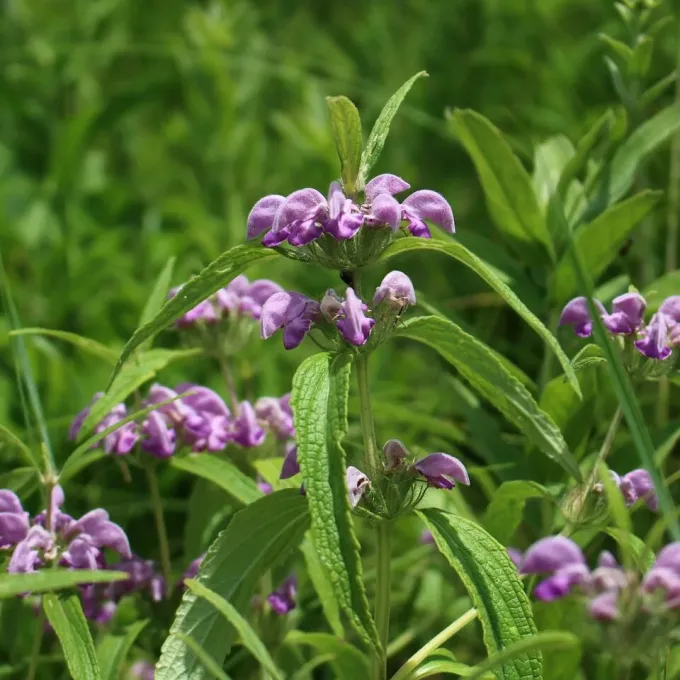
Description
Growing requirements
Phlomis pungens (Phlomis herba-venti L. subsp. pungens) is a resilient perennial herbaceous plant belonging to the Lamiaceae family, native to the steppe and arid regions of Eurasia.
The plant is highly regarded for its exceptional drought tolerance, thriving in open, sunny locations where other plants might struggle due to lack of rainfall.
Ideal soil conditions for this species include well-draining, stony, or calcareous substrates that prevent moisture accumulation around the root system.
It displays remarkable adaptability to harsh climates, showing strong resistance to both intense summer heat and cold winter temperatures typical of its native range.
In terms of agricultural management, the plant requires minimal input; it establishes deep root systems that allow it to access groundwater, reducing the need for artificial irrigation.
Main diseases and pests
The primary threat to the health of Phlomis pungens is waterlogging, which often leads to root rot and other fatal fungal infections within the root zone.
Foliage can be susceptible to powdery mildew, particularly in environments with poor air circulation or high atmospheric humidity during the growth season.
Common pests include aphids and various leaf-feeding beetles, which can cause aesthetic damage and weaken the plant if left unchecked during early developmental stages.
Effective management includes maintaining proper spacing between individual plants to ensure adequate ventilation and prevent the rapid spread of pathogens.
Regular monitoring for early signs of disease and the application of integrated pest management practices are recommended to maintain the vigor and beauty of the crop.