
Phlomis herba-venti
Phlomis herba-venti L.
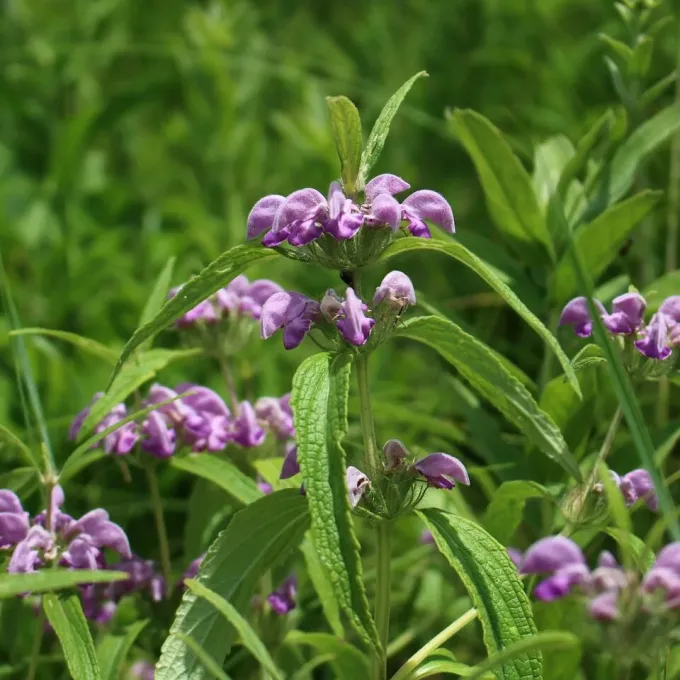
Description
Sowing dates
The sowing of Phlomis herba-venti is typically carried out in the spring when soil temperatures reach 10–12°C. Autumn sowing is also possible in temperate climates, allowing the seeds to undergo natural stratification during the winter.
Seeds should be planted at a depth of 1–2 centimeters. Proper soil contact is essential for germination, so light rolling of the soil surface after sowing is recommended to ensure optimal conditions.
Given the spreading nature of the plant, a row spacing of 45 to 60 centimeters is recommended. This spacing provides enough room for the plants to reach their full size and allows for easier mechanical weed control.
Seedlings usually emerge within 2–3 weeks. During the first year, the plant grows slowly, focusing on establishing a strong root system and a basal rosette of leaves before transitioning to rapid growth in subsequent seasons.
Alternatively, vegetative propagation through cuttings or division of older clumps can be used for commercial plantations, ensuring faster establishment of the crop.
Growing requirements
Phlomis herba-venti belongs to the Lamiaceae family and is known for its remarkable drought tolerance and preference for sunny, open locations. Lack of sunlight can lead to leggy growth and reduced phytochemical content.
The plant thrives in well-drained loamy or sandy soils. It is particularly sensitive to waterlogging, as stagnant water in the root zone can lead to rapid decay and plant failure.
A neutral soil pH, ranging between 6.5 and 7.5, is ideal for the cultivation of this species. The presence of lime in the soil is beneficial for the development of healthy foliage and overall plant vigor.
This species is highly cold-hardy, making it suitable for a wide range of climatic conditions. Once established, it demonstrates excellent resilience against long periods without rainfall.
Good agricultural practice requires regular inter-row cultivation to keep the soil aerated and to manage competition from weeds, which can be detrimental during the early stages of plant growth.
Yield
The yield of Phlomis herba-venti typically reaches its peak during the second or third year of cultivation. It is a productive perennial that maintains consistent output over several years.
The primary yield component is the aerial mass, harvested during the peak flowering stage. This mass is rich in essential oils, flavonoids, and tannins, which are highly valued in the pharmaceutical industry.
A well-managed plantation can remain productive for 5 to 7 years. After this period, vitality often declines, and replanting is necessary to maintain high production levels and quality standards.
Total yield per hectare is highly dependent on environmental conditions and the intensity of the harvesting method. Regular monitoring ensures the crop is harvested at the precise time of peak chemical concentration.
In addition to green mass, seed production can also be a viable commercial objective if harvest techniques are timed correctly to prevent pre-harvest loss.
Main diseases and pests
Phlomis herba-venti possesses a strong natural defense mechanism due to its high concentration of essential oils, making it resistant to most common plant diseases. Root rot remains the primary threat if soil moisture is not managed correctly.
Pest issues are generally minor, with occasional occurrences of aphids or spider mites during hot, dry spells. Integrated pest management strategies are sufficient to keep these populations under control.
Weed management is critical during the first year. Mechanical hoeing or the use of organic mulch is preferred over chemical herbicides to preserve the purity of the medicinal product.
Implementing a standard crop rotation schedule helps maintain soil health and prevents the buildup of soil-borne pathogens, contributing to the long-term success of the plantation.
Chemical intervention should be strictly avoided to ensure the final product meets the standards required for herbal and pharmaceutical applications.
Harvesting
Harvesting is performed during the peak flowering phase. This timing is essential to ensure that the concentration of secondary metabolites in the plant tissues is at its maximum.
The stems are cut 10–15 centimeters above ground level, taking care to avoid including large, woody, or non-medicinal parts of the plant in the harvest mass.
Immediate post-harvest processing is required to preserve quality. The plant material should be transferred to a drying facility as quickly as possible to prevent degradation.
Drying is best achieved in well-ventilated rooms at temperatures not exceeding 45°C. This careful temperature control preserves the essential oils and the natural color of the leaves and flowers.
Once dried, the product should be stored in breathable, moisture-proof containers in a cool, dark environment to prevent light-induced degradation and loss of aromatic compounds.