
Jerusalem sage
Phlomis fruticosa L.
Description
Growing requirements
Jerusalem sage (Phlomis fruticosa L.) is a perennial evergreen subshrub belonging to the Lamiaceae family. It is native to the Mediterranean basin, naturally thriving in dry, rocky, and sun-drenched environments.
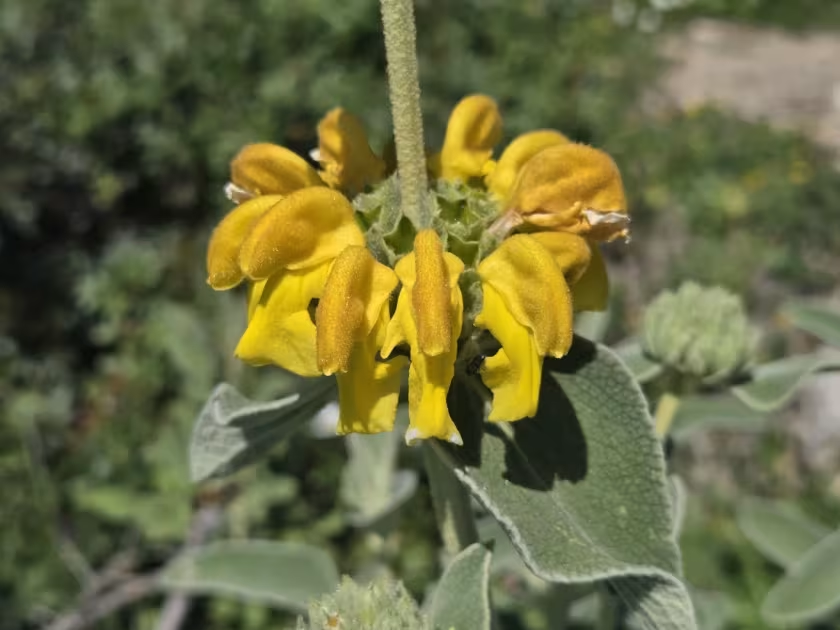
The plant is known for its distinct wrinkled, sage-like leaves covered in dense, soft hairs, which provide a silvery aesthetic. It produces whorls of bright yellow, hooded flowers that bloom in early to mid-summer, attracting various pollinators.
To cultivate Phlomis fruticosa successfully, you must provide excellent drainage. The plant is extremely susceptible to root rot if waterlogged, so planting in slightly alkaline, gritty, or sandy soil is highly recommended.
This shrub is remarkably drought-tolerant once established. It requires full sun to maintain its compact habit and prolific flowering; in shady or overly moist conditions, the stems tend to become leggy and less resilient.
Maintenance is straightforward: perform light pruning after flowering to maintain a dense shape and prevent the base from becoming too woody. While it is hardy in many climates, protecting it from harsh, cold winter winds is advisable.
Main diseases and pests
Jerusalem sage is generally considered pest-free and disease-resistant. Its foliage contains volatile oils that naturally deter many common garden insects, making it a low-maintenance choice for sustainable landscaping.
The most common problem is related to cultivation errors, specifically high humidity or poor soil drainage, which may lead to fungal issues like powdery mildew or root rot. Ensuring good air circulation is the best preventative strategy.
In rare instances, aphids may colonize the soft new growth during the spring. If an infestation occurs, a gentle wash with insecticidal soap is usually sufficient to clear the plant without causing damage.
Slugs or snails can occasionally be an issue for young, newly planted shrubs. Using physical barriers or copper tape around the base of the plant can provide effective protection during the establishment phase.
Ultimately, the key to a healthy Jerusalem sage is avoiding excessive fertilizer and irrigation. By simulating its native Mediterranean conditions, you ensure the plant remains vigorous and free from systemic health problems.