
Phlomis cashmeriana
Phlomis cashmeriana
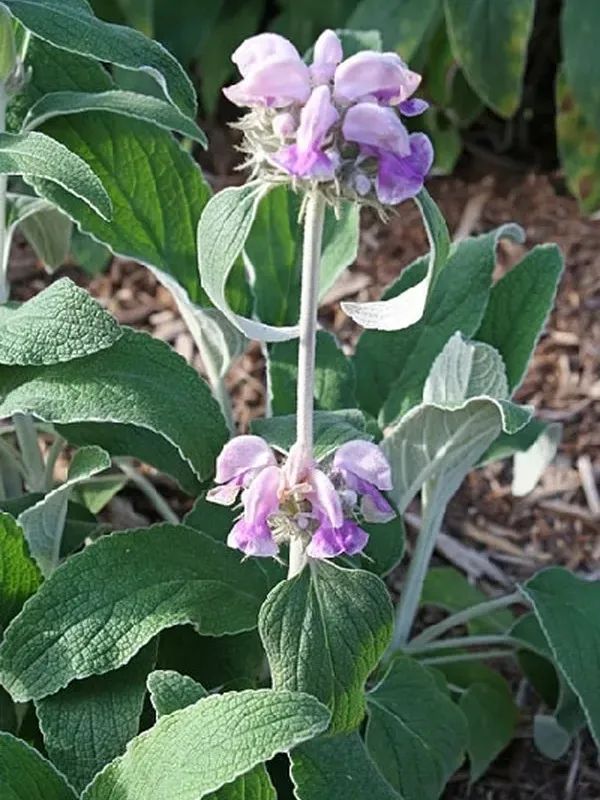
Description
Sowing dates
Sowing Phlomis cashmeriana seeds is most successful when performed in late autumn, as the seeds require a period of cold stratification to break dormancy. This process mimics the natural winter conditions found in their native Himalayan range.
If seeds are sown in the spring, artificial stratification is necessary. Placing the seeds in a moist medium inside a refrigerator for several weeks significantly improves the germination rate and ensures uniform development of the seedlings.
For greenhouse cultivation, use a light, well-draining seed-starting mix. The seeds should be barely covered with soil, as light is beneficial for their germination process, and they should be kept at a moderate temperature until sprouts appear.
Transplanting seedlings into the garden should only happen once the danger of hard frost has passed. Young plants need time to establish their root systems before the onset of extreme summer heat or winter cold.
Proper spacing is essential when sowing or planting, as Phlomis cashmeriana develops a wide, bushy habit. Ensure at least 50–60 cm between individual plants to allow for adequate airflow and to prevent fungal issues related to overcrowding.
Growing requirements
Phlomis cashmeriana, a member of the Lamiaceae family, is highly valued for its drought tolerance and striking floral displays. It thrives in well-drained, nutrient-poor soils, making it an excellent candidate for xeriscaping and rocky garden beds.
Sunlight is the most critical requirement for this species. It demands full sun to achieve its maximum potential in both foliage density and flower production; shady conditions often result in leggy stems and poor blooming.
The soil pH should ideally be neutral to slightly alkaline. If your soil is heavy clay, it is highly recommended to amend the planting hole with coarse sand, grit, or crushed stone to ensure rapid water drainage, especially during wet winter months.
Watering should be managed carefully. While young plants need regular irrigation to get established, mature specimens are exceptionally drought-tolerant and should be watered only during prolonged dry spells to avoid root rot.
Maintenance of this perennial is low. Pruning dead flower stalks back in late summer or autumn helps the plant maintain a neat appearance and encourages a vigorous start for the following spring season.
Main diseases and pests
Root rot is the primary threat to Phlomis cashmeriana, usually triggered by waterlogged soil during the winter. Ensuring perfect drainage at the time of planting is the most effective way to protect the plant from this lethal condition.
Powdery mildew can affect the foliage during humid, stagnant weather. To mitigate this risk, choose an airy, open planting site where wind can easily circulate through the branches, keeping the foliage dry after rainfall.
Slugs and snails can be problematic for young shoots and soft leaves in the spring. Implementing physical barriers or organic bait can prevent these pests from causing significant damage to the plant's overall aesthetic.
Aphids may occasionally target the developing flower buds, causing malformation. Periodic inspections of the buds during the early blooming stage allow for early intervention with mild insecticidal soaps if an infestation occurs.
While the plant is quite resistant to major diseases, soil-borne fungi can become an issue if the plant is stressed by excess water or incorrect pH levels. Keeping the plant healthy through proper site selection is the best form of protection.