
Mentha villosa
Mentha villosa
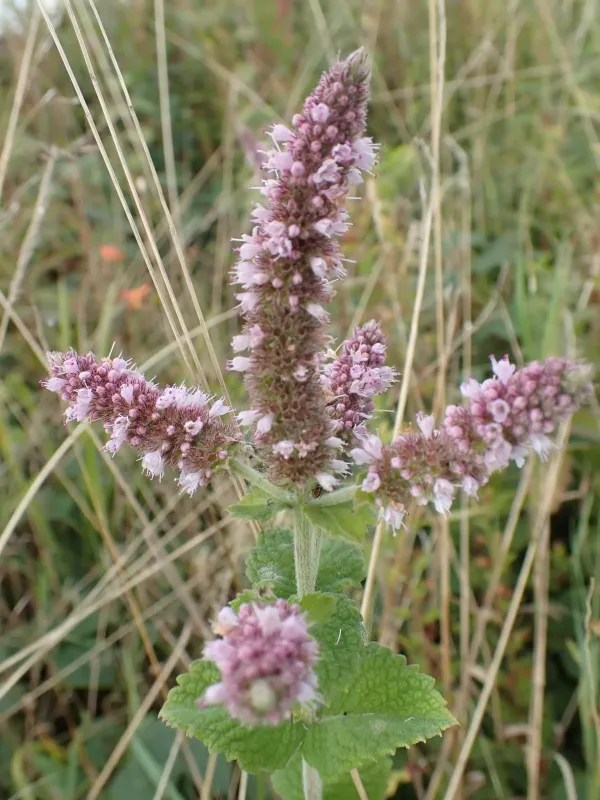
Description
Sowing dates
Planting Mentha villosa is best performed in the spring when soil temperatures reach 10-12 degrees Celsius. In commercial settings, vegetative propagation using rhizome cuttings is preferred to ensure genetic uniformity and consistency of the yield.
The optimal time for establishing the crop is mid-April, ensuring that the rhizomes have sufficient soil moisture to establish a root system before the onset of intense summer heat. Early establishment is key to obtaining high-quality foliage.
Rhizomes should be planted at a depth of 5 to 10 centimeters. The soil must be well-prepared and loose to facilitate rapid root growth and proper aeration of the plant's subterranean parts.
Row spacing is typically set between 60 and 70 centimeters. This provides enough space for machine operation and manual maintenance, ensuring the crop has adequate access to nutrients and light throughout the season.
When selecting planting material, it is crucial to use healthy rhizomes that are free from decay. Ensuring that the buds are viable before burial helps to achieve a uniform stand and minimizes the need for supplemental replanting.
Growing requirements
Mentha villosa is a perennial herbaceous plant belonging to the Lamiaceae family. It is a highly adaptable species that performs exceptionally well in sunny, open locations with consistent exposure to daylight.
The plant requires moderate to high soil moisture levels. While it thrives in moist conditions, it is important to prevent waterlogging, as poorly drained soils can promote root rot and weaken the overall vitality of the crop.
Fertile loamy soils or rich chernozems are preferred for cultivation. These soil types provide a steady supply of nutrients and organic matter, which are essential for producing high concentrations of essential oils.
This crop prefers a temperate climate and is generally hardy during the winter months. Adequate snow cover or mulching can further protect the dormant rhizomes from extreme frost damage in colder regions.
Nutrient management is critical for productivity. Regular application of nitrogen, phosphorus, and potassium fertilizers during the active growing season will promote vigorous foliage production and better oil yield.
Main diseases and pests
Rust is the primary fungal disease affecting Mentha villosa. It presents as reddish-brown pustules on the undersides of leaves, which can significantly lower the quality of the harvested essential oils.
Powdery mildew is another common concern, especially in dense stands with poor airflow. It covers the leaves with a white, powdery fungus, inhibiting the plant's ability to photosynthesize effectively.
Insects like mint fleas and weevils pose a threat to the crop, particularly in the spring when young shoots are vulnerable. Infestations can lead to stunted growth and reduced leaf production if left unmanaged.
Aphids are frequent pests that feed on the soft, young tissues of the plant. They weaken the plants and can act as vectors for various viral diseases that negatively impact the overall health of the plantation.
Effective management involves integrated pest control strategies, including field sanitation and the use of targeted biological agents. Keeping the plantation free from weeds is essential to minimize nesting sites for pests.
Harvesting
Harvesting Mentha villosa should occur during the mass flowering stage. This is when the plant's essential oil content and volatile compounds are at their peak, ensuring the best quality and flavor profile.
The plants are typically mowed at a height of 5 to 10 centimeters above the soil line. This mechanical harvesting approach allows for easier post-harvest processing while leaving enough plant structure for rapid regrowth.
Once harvested, the plant material must be processed immediately. Drying should be conducted in shaded, well-ventilated areas or in climate-controlled dryers to prevent the loss of delicate aromatic oils.
Storage requires cool, dry conditions with minimal light exposure to maintain product integrity over time. Proper packaging in sealed containers helps to retain the potency of the dried herb for further commercial use.
Mentha villosa is used extensively across various industries, including culinary arts, fragrance production, and pharmacology. Its unique chemical profile makes it a highly valued raw material for natural health products.