
Minthostachys mollis
Minthostachys mollis Griseb.
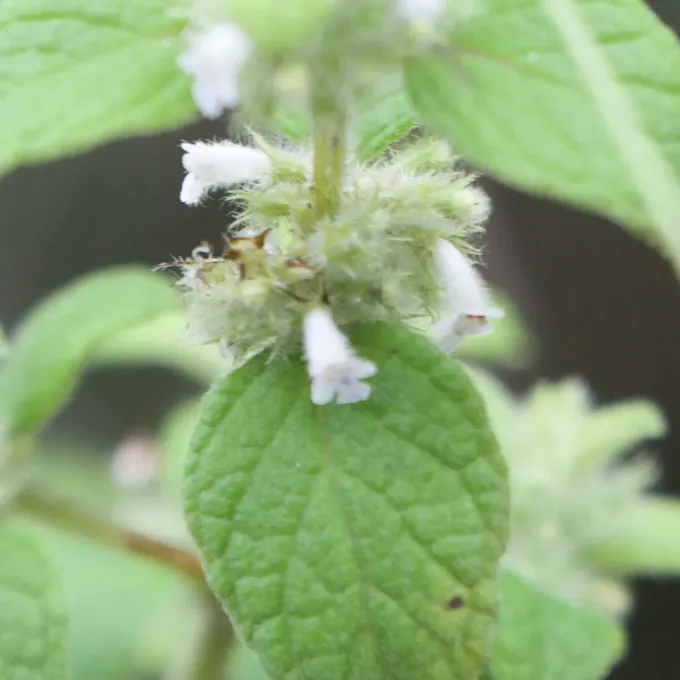
Description
Sowing dates
Minthostachys mollis, commonly known as muña, is primarily propagated through seeds or stem cuttings. The ideal sowing time is early spring once the danger of night frost has passed.
Seeds should be sown in loose, well-draining soil at a shallow depth of no more than 0.5–1 cm. Germination typically occurs at stable temperatures between +18°C and +22°C.
When using a seedling method, seeds are planted in trays 6–8 weeks before transplanting outdoors to ensure the root system is well-developed.
Proper lighting immediately after emergence is critical for this species, as low light conditions lead to leggy, weak stems that lack vigor.
For vegetative propagation, healthy cuttings 10–12 cm in length are rooted in a substrate rich in perlite or vermiculite to ensure optimal aeration for new roots.
Growing requirements
This perennial herb of the Lamiaceae family is native to the Andean highlands, making it naturally adapted to cool and humid mountain climates.
Minthostachys requires well-drained, neutral to slightly acidic soil. Waterlogging is detrimental and often leads to root rot, so proper drainage is mandatory.
While the plant thrives in full sun, it benefits from partial shade during peak summer heat to protect the foliage and prevent the loss of volatile essential oils.
Irrigation should be consistent but moderate. The plant responds well to balanced liquid fertilizers, though excessive nitrogen should be avoided to prevent over-growth.
The culture is highly resistant to temperature fluctuations, which makes it an excellent candidate for cultivation in regions with varying seasonal conditions.
Yield
The yield of Minthostachys mollis is measured by the total biomass harvested, which is used for essential oil extraction or for dried herbal products.
The first commercial harvest can typically be obtained 4–5 months after planting. Productivity increases significantly as the plant matures over subsequent seasons.
An established plantation remains productive for 3–5 years, after which the plants should be divided or replaced to maintain high quality and vigor.
Essential oil content in dry leaves ranges between 1% and 2%, depending heavily on environmental conditions and the specific timing of the harvest.
Planting density is a key factor; maintaining enough space between plants ensures adequate ventilation, which maximizes both the quantity and quality of the yield.
Main diseases and pests
Fungal diseases caused by excessive moisture or poor air circulation are the primary threats to Minthostachys mollis crops.
Powdery mildew is a common issue, manifesting as a white powdery coating on the leaves. It is best managed through sanitation and proper plant spacing.
Pests like aphids and spider mites can attack young shoots. Integrated pest management, including the use of beneficial insects, is recommended for organic production.
Regular field scouting allows for early detection of potential disease outbreaks, preventing widespread damage across the entire plantation.
Removing plant debris at the end of the season is essential to break the life cycle of common pathogens and ensure healthy growth in the next cycle.
Harvesting
The optimal harvest period is during full bloom, as the concentration of volatile oils and medicinal compounds reaches its peak at this stage.
Harvesting involves cutting the top 15–20 cm of the shoots with clean, sharp tools, ideally during dry mornings once any dew has fully evaporated.
Post-harvest, the plant material should be dried in a well-ventilated, shaded area at temperatures not exceeding +40°C to preserve its aromatic integrity.
Once dried, the product must be stored in airtight containers away from direct sunlight to prevent the degradation of essential oils over time.
Strategic pruning during harvest encourages bushier growth and lateral branching, potentially allowing for multiple harvests within a single growing season.