

Description
Growing requirements
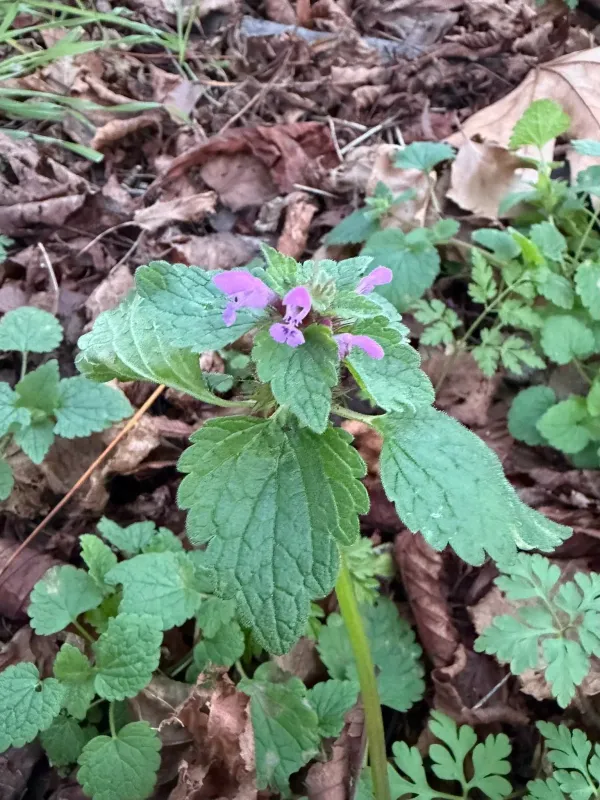
Purple dead-nettle (Lamium purpureum L.) is a member of the Lamiaceae family. It is an annual herbaceous plant widely distributed across Europe, Asia, and North America, often functioning as an early spring colonizer.
The plant thrives in nutrient-rich, moist, and well-aerated soils. It is frequently found in cultivated fields, gardens, and along roadsides, demonstrating a high ability to adapt to disturbed habitats.
Botanically, it is characterized by its square stems and purple-tinged upper leaves. The plant exhibits significant phenotypic plasticity, allowing it to grow in various microclimates throughout the growing season.
Regarding environmental needs, it prefers moderate temperatures. It is highly competitive in early-season crops, as it begins rapid vegetative growth while most other plants are still dormant or emerging.
Agricultural management focuses on early-stage eradication. Cultivation techniques such as shallow tilling or hand-weeding are effective if performed before the plant reaches the seed-set stage, which prevents re-infestation.
Main diseases and pests
Purple dead-nettle is known to act as an alternative host for several crop pathogens. It can harbor various viruses and fungi, which may subsequently spread to commercially valuable vegetable and grain crops.
Root-knot nematodes can colonize the rhizosphere of this plant, potentially increasing the pressure of soil-borne diseases in subsequent planting cycles if the field is not managed properly.
Insects, including aphids and various species of leaf beetles, often utilize this species for shelter and food. This creates a significant risk of infestation for surrounding crops during the peak growing season.
Effective management requires integrated pest management strategies. Eliminating weed hosts in the proximity of vulnerable crops is crucial to reducing the primary inoculum source for many field diseases.
Chemical control remains an option in large-scale farming. Systemic herbicides are often used during the seedling stage to ensure optimal crop yield by removing competition for nutrients and moisture early on.
Reference
Connections · Purple dead-nettle
Most often together:
Marketplace


