
Henbit deadnettle
Lamium amplexicaule L.
Description
Sowing dates
Henbit deadnettle typically emerges in the autumn as a winter annual. The seeds germinate in response to cooler temperatures and sufficient soil moisture, establishing rosettes that overwinter easily.
Growth resumes vigorously in the early spring, often ahead of many spring-seeded crops. This gives the plant a competitive advantage in terms of space and resource utilization early in the season.
Multiple generations can occur within a single year if environmental conditions remain favorable, particularly in moist and temperate agricultural climates.
The seeds of Lamium amplexicaule have a long dormancy period, often remaining viable in the soil seed bank for several years. Successful germination is limited to the upper few centimeters of the soil surface.
Propagation is exclusively by seed. A single healthy plant is capable of producing a large volume of seeds, ensuring rapid re-infestation of cultivated lands year after year.
Growing requirements
This species belongs to the Lamiaceae family. It is widely distributed across various soil types, although it shows a preference for nutrient-rich, moist soils with good aeration.
Henbit is highly adaptable and thrives in disturbed environments, such as crop fields, orchards, and vegetable gardens. It competes heavily with winter wheat and other early-spring cereals.
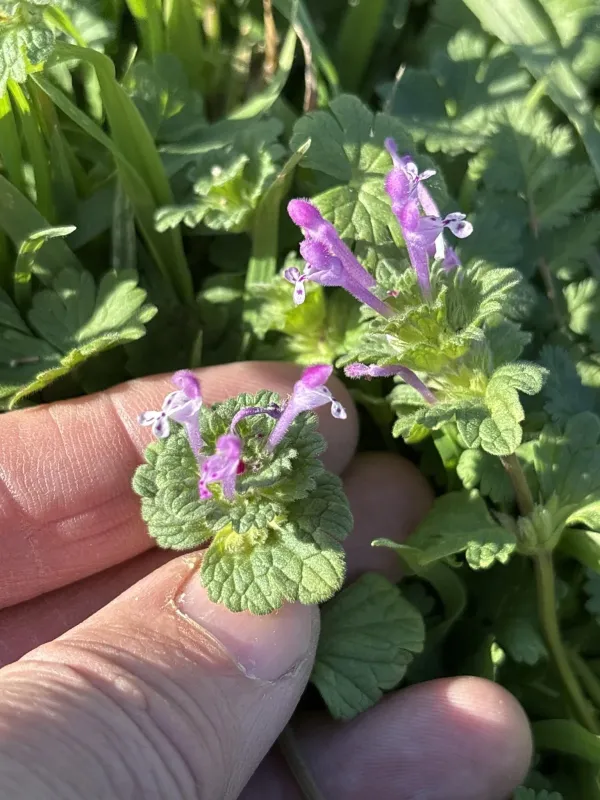
Botanically, it features a square stem and leaves that appear to encircle the stem, from which the name "amplexicaule" is derived. Flowers are small, tubular, and purple-pink in color.
A key biological trait is its capacity for cleistogamy, where flowers remain closed and self-pollinate. This ensures high seed set regardless of insect activity during the spring.
The plant requires moderate temperature regimes and is sensitive to extreme heat, which typically marks the end of its active growth phase for the season.
Main diseases and pests
Henbit deadnettle acts as an alternative host for several pests and diseases. It often harbors aphids, which are vectors for various plant viruses that can damage main crops.
Fungal diseases like powdery mildew and various rusts can utilize the plant as a bridging host, allowing them to survive and move onto cultivated crops.
Management strategies involve both preventive and active measures. Shallow tillage in the post-harvest period helps to trigger germination, followed by secondary control of the seedlings.
Chemical control with selective herbicides is effective, provided the application occurs during the early rosette stage before the plant begins to bolt and flower.
Integrated weed management, including crop rotation, competitive planting, and consistent field maintenance, is crucial for minimizing the impact of this weed on total yield.