
Spotted dead-nettle
Lamium maculatum L.
Description
Growing requirements
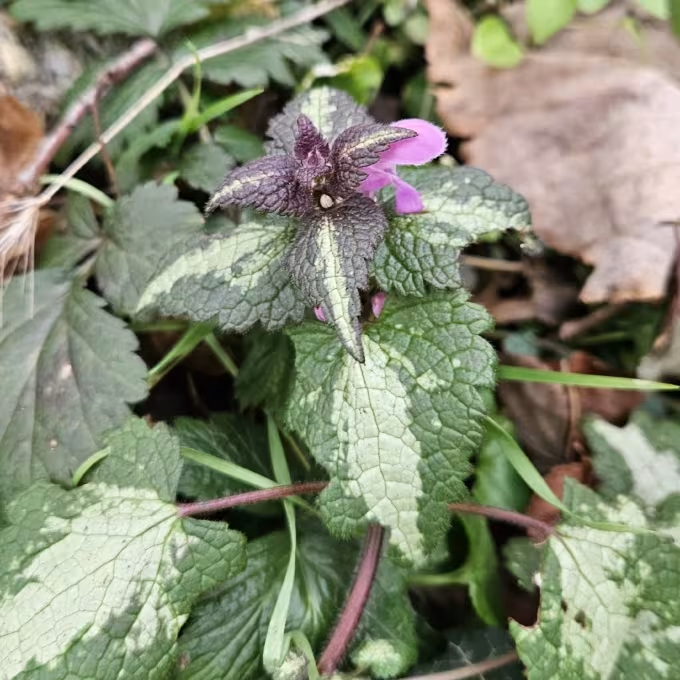
Spotted dead-nettle (Lamium maculatum L.) belongs to the Lamiaceae family. This perennial herbaceous plant is native to the forests of Europe and Western Asia, where it typically thrives in moist, shaded environments enriched with organic matter.
The plant requires fertile, well-draining soil and performs best in partial to full shade. It is highly valued for its ability to grow in challenging light conditions where other ground covers might struggle, making it an essential component for shade garden design.
Cultivation practices focus on moisture management. While the plant is relatively resilient, it requires consistent watering to prevent the leaves from wilting during hot summer months. Applying a layer of organic mulch helps retain soil moisture and suppresses weed growth.
Lamium maculatum is known for its rapid spreading habit, utilizing creeping stems that root at the nodes. This characteristic allows it to form dense, weed-resistant mats. It is generally hardy, thriving in temperate climates without requiring winter protection.
Beyond its ornamental use in landscapes, this plant serves as a vital nectar source for pollinators, especially early in the season. Its variegated foliage provides textural interest in gardens from spring until the first frost in many regions.
Main diseases and pests
Fungal diseases such as powdery mildew can become a problem if the plants are crowded and lack sufficient air circulation. Additionally, pests like slugs and snails may feed on the succulent foliage, particularly in damp and cool weather conditions.