
Dandelion-leaved sage
Salvia taraxacifolia
Description
Sowing dates
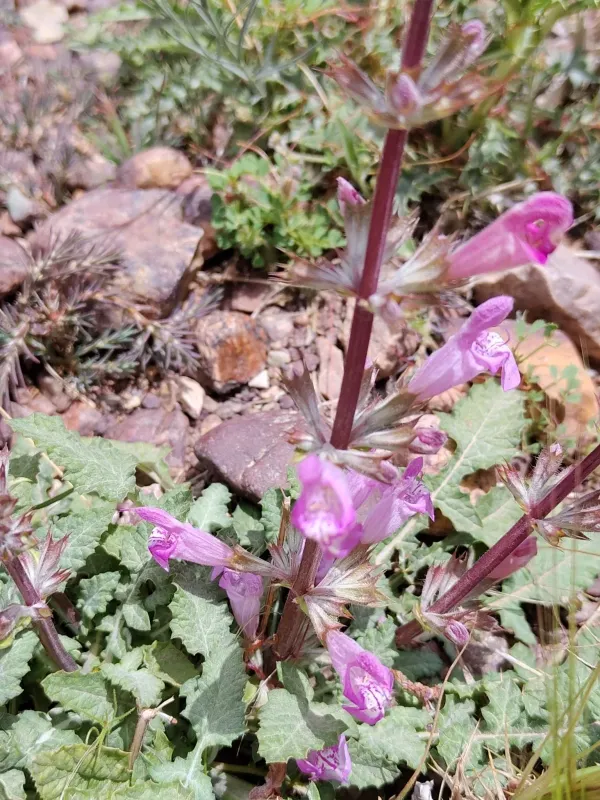
Salvia taraxacifolia, commonly known as Dandelion-leaved sage, is a perennial plant belonging to the Lamiaceae family. It is native to the Atlas Mountains of Morocco, adapted to harsh alpine environmental conditions.
Propagation is primarily achieved through seeds, which should be sown in early spring. The seeds require stratification to break dormancy and ensure uniform germination across the crop.
Sowing depth should be minimal, as the seeds are light-dependent for germination. A light, well-draining substrate mix is essential to prevent seed rotting during the early stages of development.
Seedlings should be kept in a greenhouse environment until they reach a robust size. Proper spacing is crucial to prevent competition for light and air circulation, which is vital for this species.
Vegetative propagation via division is also possible for older, well-established plants, usually performed during the dormant season to minimize transplant shock.
Growing requirements
The cultural requirements for Salvia taraxacifolia emphasize perfect drainage. It thrives in gritty, alkaline, and nutrient-poor soils that mimic its natural mountainous habitat.
Full sun exposure is a non-negotiable requirement for this sage. Insufficient light leads to weak, spindly growth and a significant reduction in the concentration of bioactive essential oils.
The plant is highly drought-tolerant once established. Overwatering is the most common cause of failure in agricultural production, as the roots are prone to oxygen deprivation and decay in wet soil.
Climatic adaptability is limited to dry, sunny environments. In regions with high rainfall, cultivation in raised beds or containers is recommended to ensure the roots remain dry during the winter.
Fertilization should be kept to a minimum. An excess of nitrogen-based fertilizers will promote succulent growth that is highly susceptible to pests and diseases rather than medicinal secondary metabolites.
Main diseases and pests
The most significant threats to Dandelion-leaved sage are fungal pathogens such as Botrytis and various root rots. These are primarily caused by poor drainage and high humidity levels.
Aphids are a frequent pest during the spring growth phase, feeding on the tender apical meristems. Biological control methods, such as introducing predatory insects, are preferred for medicinal crops.
Spider mites can become an issue during periods of intense heat and low humidity. Monitoring the underside of the leaves is critical for early detection and management.
Slug and snail infestations can be problematic during the early seedling stage. Physical barriers or organic deterrents are effective for maintaining plant health in the field.
Proper sanitation in the field is necessary to prevent the spread of diseases. All diseased plant material should be removed and destroyed to minimize the inoculum potential in the growing area.