
Yellow archangel
Lamium galeobdolon (L.) Crantz
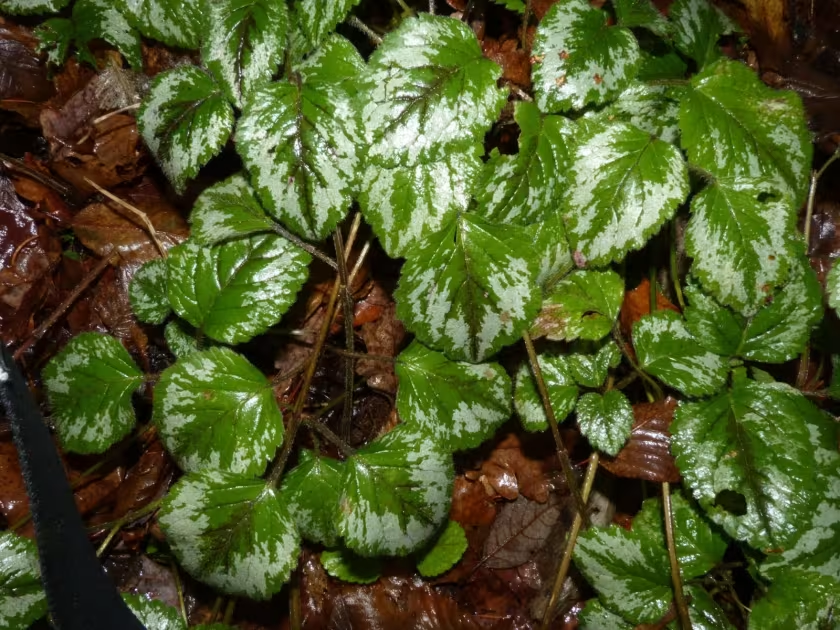
Description
Sowing dates
Sowing seeds of yellow archangel is best done in late autumn, allowing the seeds to undergo natural stratification over the winter. If spring sowing is chosen, seeds require artificial stratification in a refrigerator for approximately one month to ensure successful germination.
Vegetative propagation is the most efficient method for rapid cultivation. By dividing established root mats, growers can achieve dense coverage across a designated area much faster than through seed propagation alone.
When planting, a density of 5 to 7 plants per square meter is recommended to ensure the ground is quickly covered. This density helps outcompete opportunistic weeds and creates a uniform green carpet effect in the landscape.
Planting should be performed in moist soil during overcast weather to minimize transplant shock. Consistent irrigation during the first two to three weeks is essential for the roots to establish firmly in their new environment.
Belonging to the Lamiaceae family, this species is highly vigorous. While it is excellent for ground stabilization and aesthetic covering, management practices must include measures to prevent its spread into areas where it is not intended to grow.
Growing requirements
Yellow archangel thrives in partial to full shade, making it an ideal choice for the north sides of buildings or underneath dense tree canopies. It is highly sensitive to direct, harsh sunlight, which can quickly dehydrate the foliage.
The ideal soil for this crop is fertile, rich in organic matter, and well-draining, yet capable of retaining sufficient moisture. It prefers a pH level ranging from neutral to slightly acidic for optimal nutrient uptake.
As a forest-floor native, the plant requires a humid microclimate. In garden settings, mulching with organic leaf litter or wood chips helps maintain the soil moisture levels and mimics the natural conditions of its primary habitat.
Agronomic maintenance includes supplemental irrigation during prolonged dry spells. The shallow root system makes the plant vulnerable to drought, so soil moisture should be monitored closely during the active growing season.
The species is highly frost-tolerant and generally requires no winter protection. Annual maintenance involves a spring cleanup where old, straggly stems are removed to encourage fresh growth and maintain the plant's tidy appearance.
Main diseases and pests
Fungal diseases are the primary threats to the health of yellow archangel, especially powdery mildew. This pathogen typically manifests during humid, stagnant air conditions and creates a dusty, white appearance on the leaves.
Pest pressure is usually limited but can include outbreaks of aphids or spider mites during periods of high heat and low humidity. These pests feed on the sap, causing leaf curling and general plant chlorosis.
Management of fungal issues relies on improving airflow through the planting zone and the use of fungicides when symptoms appear. Thinning out overgrown patches is an effective cultural control method to reduce disease prevalence.
Insect control is managed through selective insecticides or mechanical washing of the foliage with a targeted water spray. Maintaining plant vigor through proper site selection often reduces the need for chemical intervention.
A proactive approach to garden hygiene, such as removing debris and preventing overcrowding, significantly increases the plant's resistance to typical pests. Monitoring the garden regularly allows for early intervention before infestations become severe.