
Hemizygia welwitschii
Hemizygia welwitschii
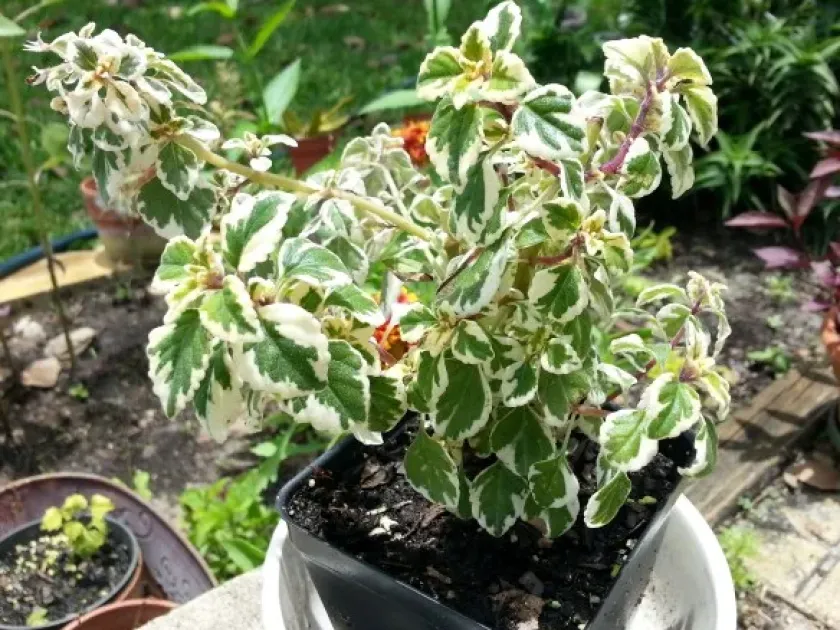
Description
Growing requirements
Hemizygia welwitschii is a perennial herbaceous plant belonging to the Lamiaceae family. It is native to the tropical landscapes of sub-Saharan Africa, where it has adapted to specific ecological niches with seasonal rainfall patterns and high biodiversity.
The plant exhibits a characteristic branching habit with opposite leaves that release a distinct fragrance, typical for species rich in essential oils. Its morphology is adapted to survive in light-deficient conditions of undergrowth as well as in more open savanna environments.
Agronomic success with this crop requires well-draining, sandy-loam soils with a slightly acidic to neutral pH. Proper soil structure is essential to prevent water stagnation, which is the primary factor limiting its root health in artificial cultivation systems.
The climate requirements include high average temperatures and abundant sunlight. Hemizygia welwitschii is not frost-tolerant, requiring constant temperatures above 15 degrees Celsius for active metabolism and biomass production.
Agricultural use of this species focuses on its potential as a source of aromatic volatile compounds. Ongoing research investigates its chemical profile for commercial extraction in cosmetics and potentially in traditional medicine applications.
Main diseases and pests
The main threats to the cultivation of Hemizygia welwitschii are pathogens associated with high moisture content. Fungal infections such as Pythium and Rhizoctonia are frequent in poorly drained fields, causing root rot.
Insect pests, specifically aphids and spider mites, pose a significant risk during the vegetative growth phase. These pests cluster on the underside of leaves, causing structural damage and reducing the photosynthetic potential of the plant.
Nematodes are a hidden threat in tropical agriculture. They affect the roots, leading to stunted growth and nutrient deficiencies, which are difficult to remediate once the infestation is established in the soil.
Integrated Pest Management (IPM) is strongly recommended to protect the essential oil profile of the leaves. Relying on biological controls helps maintain the organic integrity of the crop and ensures the safety of the final product.
Strategic planting and row spacing are critical to improve air circulation around the plants, which significantly lowers the humidity microclimate that fosters disease outbreaks and mold growth on the foliage.