
Hedeoma pulegioides
Hedeoma pulegioides (L.) Pers.
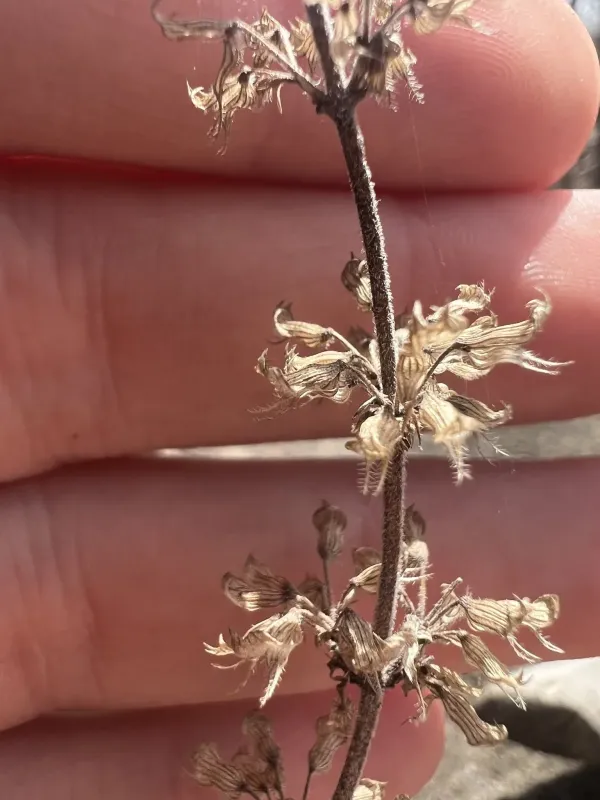
Description
Sowing dates
Hedeoma pulegioides, commonly known as American pennyroyal, is an annual plant in the Lamiaceae family. It is typically propagated by seeds sown directly in the field after all danger of spring frost has passed.
The seeds are minute and require shallow sowing, no deeper than 0.5 cm, in a fine, well-prepared seedbed. Proper moisture levels are critical during the germination phase to ensure a uniform stand.
Commercial cultivation often employs a row spacing of 30 to 45 cm. This configuration facilitates weed management, as the plant can be sensitive to competition from aggressive weeds during its early growth stages.
In regions with shorter growing seasons, starting seeds in greenhouses 4–6 weeks before the last frost date is an effective method to maximize the vegetative period and overall biomass production.
The plant thrives in soil temperatures ranging from 18°C to 22°C. Once established, it grows rapidly, allowing for potential early autumn harvesting depending on the specific climatic zone.
Growing requirements
This species requires full sun exposure to thrive and maximize the synthesis of its characteristic essential oils. Reduced light levels often result in lower oil yields and stunted plant development.
Well-drained, sandy or loamy soils are ideal for American pennyroyal. It is highly intolerant of waterlogged conditions, which can quickly lead to root rot and other moisture-related pathologies.
The soil pH should ideally remain within the neutral to slightly acidic range. Amending the soil with organic matter such as compost helps improve soil structure and nutrient availability for the plant.
While the plant exhibits moderate drought tolerance, consistent moisture during the vegetative growth phase is essential for producing high-quality aerial parts suitable for oil extraction.
Excessive fertilization, particularly nitrogen, should be avoided as it encourages vegetative growth at the expense of oil quality. A balanced nutrient supply is key to maintaining plant health.
Yield
The yield of Hedeoma pulegioides is primarily measured by the total biomass of dried foliage and the concentration of essential oils. Harvesting at the peak of bloom is crucial for performance.
Successful management typically results in a stable harvest per hectare. Advanced irrigation systems and precision agriculture techniques can significantly boost biomass yields in large-scale operations.
The market value is largely dictated by the purity of the essential oils. Proper post-harvest handling ensures that the volatile components are preserved, directly influencing the final product price.
The crop is highly valued in pharmaceutical and natural repellent industries. Cultivators should focus on quality metrics to cater to these specialized high-demand sectors effectively.
Continuous monitoring of plant development stages allows producers to optimize harvest timing, ensuring that the oil content reaches its biological maximum before senescence begins.
Main diseases and pests
Fungal pathogens such as powdery mildew and root rot represent the most significant threats to Hedeoma pulegioides, especially in humid or poorly ventilated environments.
Pests such as aphids and spider mites can infest the foliage, causing significant stress to the plants. Regular monitoring is essential to detect early infestations before they spread across the field.
Crop rotation is a mandatory practice to break the disease cycle. It is recommended to avoid planting Hedeoma on the same site for at least three consecutive years to maintain soil health.
Integrated pest management (IPM) strategies, favoring biological controls and avoiding broad-spectrum synthetic pesticides, are preferred to maintain the integrity of the herbal product.
Proper plant spacing and adequate field ventilation are the most effective preventative measures against the development of bacterial and fungal issues in commercial plantings.
Harvesting
Harvesting is performed by cutting the aerial parts of the plant approximately 5 to 10 cm above the ground. This method often allows the plant to regenerate if the season permits.
Harvesting should ideally take place on a dry, sunny morning after the dew has evaporated but before the heat of the day reaches its peak, preserving the maximum oil content.
Post-harvest, the material must be dried in the shade with good air circulation. Maintaining temperatures below 35°C is vital to prevent the loss of volatile essential oils.
Storage should occur in climate-controlled environments, using airtight containers to prevent degradation. Protecting the product from light and moisture is essential for long-term storage.
Quality control during harvest involves excluding weed residues and damaged plant material, which could negatively impact the chemical profile and commercial value of the extracted oil.