
Agastache rupestris
Agastache rupestris
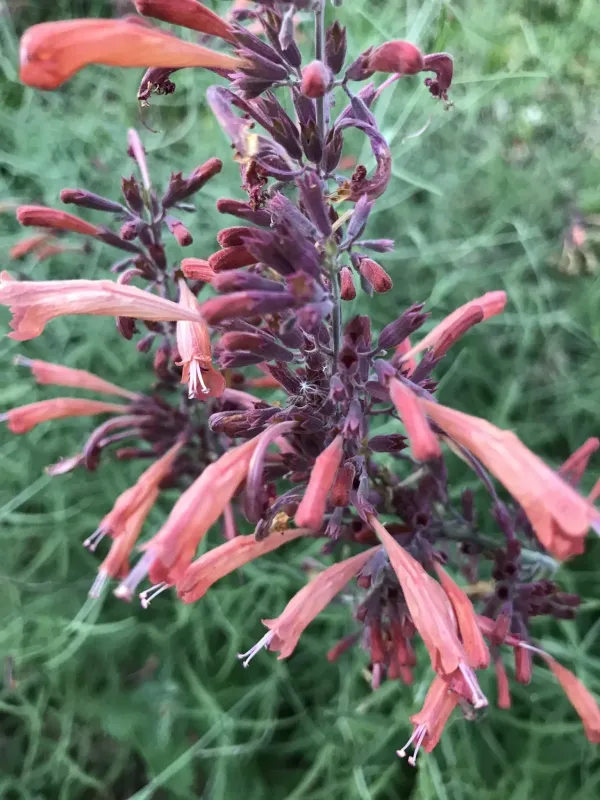
Description
Sowing dates
Agastache rupestris seeds require a light and warm environment to germinate effectively. It is recommended to sow seeds in trays in late winter, ensuring they are only lightly pressed into the soil surface without covering them, as they need light to sprout.
Germination typically occurs within 14 to 21 days when temperatures are maintained between 18°C and 22°C. Once the seedlings develop their first true leaves, they should be moved to a brighter area to prevent leggy growth.
Transplanting to the field must be done after the last spring frost. The plants are sensitive to cold, wet soil, so planting into warm, well-drained ground is crucial for establishing a strong root system during the first season.
When direct seeding outdoors in warmer climates, clear the soil of debris and weeds to ensure the slow-growing seedlings have enough space and resources. Keep the soil surface moist but not saturated during the germination period.
Spacing should be managed to provide at least 40 cm between plants, allowing for proper airflow, which is essential for reducing the risk of fungal infections later in the plant's life cycle.
Growing requirements
Commonly known as Sunset Hyssop, Agastache rupestris is a member of the Lamiaceae family. It is native to the rocky, arid landscapes of the southwestern United States and Mexico, making it exceptionally drought-tolerant.
The plant thrives in rocky, sandy, or well-drained alkaline soils. It performs poorly in heavy, water-logged soils, which can cause crown rot and quickly kill established plants if drainage is not sufficient.
Full sun is a prerequisite for high-quality production. Exposure to direct sunlight stimulates the development of volatile oils, which are responsible for the plant's signature mint-licorice aroma and medicinal value.
It is relatively winter-hardy but prefers to be kept dry during its dormant winter period. Protection against excessive moisture in late autumn is often more important than providing deep freeze insulation.
Avoid excessive fertilization. Agastache rupestris is adapted to nutrient-poor soils; providing too much nitrogen often results in weak, spindly growth and reduces the intensity of the plant's natural aromatic properties.
Yield
The yield of green biomass depends on harvesting frequency and climatic conditions. Under optimal management, plants can be harvested twice per growing season, providing a steady supply of aromatic material.
The essential oil yield is maximized when the crop is harvested during the peak of its flowering stage. This timing ensures the highest concentration of aromatic compounds in the flowers and leaves.
As a notable honey plant, Agastache rupestris is highly valued in apiculture. The resulting honey is unique, characterized by a delicate herbal profile and a light color, which commands a premium price in local markets.
Longevity of a plantation is typically 4 to 5 years. After this period, plant vigor tends to decline, and yields decrease, necessitating crop renewal to maintain economic efficiency in a commercial setting.
Careful post-harvest handling is necessary to retain the volatile oils. Drying should occur in a cool, shaded, well-ventilated area to prevent degradation of the plant’s aromatic compounds and ensure product quality.
Main diseases and pests
The most significant threat to Agastache rupestris is root rot caused by poor drainage or overwatering. In heavy soils, even minor water accumulation can lead to rapid fungal decay of the root system.
Powdery mildew can be a persistent problem, especially in regions with high humidity or poor air circulation. Implementing wide spacing between rows is a primary cultural method to prevent this disease.
Aphids can cause significant damage by clustering on the succulent tops of new growth. Monitoring during the early spring is essential to catch infestations before they stunt the development of the flower spikes.
Spider mites may become a concern during periods of prolonged drought and intense heat. Maintaining consistent, light irrigation can help keep plants healthy and less susceptible to mite attacks.
Slugs and snails may attack seedlings shortly after planting. Physical barriers or eco-friendly deterrents should be used in the first few weeks to protect young plants from being consumed before they are established.