
Agastache hybrids
Agastache hybrids
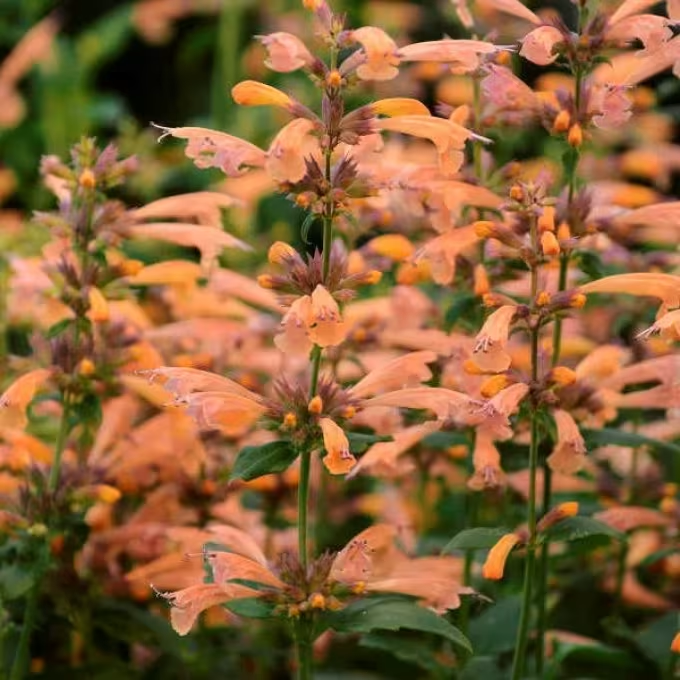
Description
Sowing dates
Sowing of Agastache hybrid seeds is typically conducted indoors in March or early April. As the seeds are very fine, they should be surface-sown on moist substrate without deep burial, as light is required for germination.
In regions with mild climates, direct sowing in open ground is possible in May once the threat of frost has passed. The optimal temperature for seed germination is between +18°C and +22°C.
When transplanting seedlings to the field, a spacing of 30–40 centimeters between plants is essential. This ensures proper air circulation and significantly reduces the risk of fungal infections.
The crop prefers sunny locations with light, well-draining soils. Stagnant moisture is detrimental to the root system and can lead to rapid decay, ultimately killing the plant.
As a member of the Lamiaceae family, Agastache hybrids are characterized by their high ornamental value and essential oil content, making them a dual-purpose crop for gardens and small-scale farming.
Growing requirements
Agastache is highly light-demanding and thrives in open areas sheltered from strong winds. Insufficient sunlight results in elongated, weak stems and a drastic reduction in essential oil concentration.
Soils should be neutral or slightly alkaline. On acidic soils, the plant exhibits stunted growth, so liming or the application of dolomite flour is recommended prior to planting.
While the crop is relatively drought-tolerant, regular watering during the growing season is necessary to produce a lush biomass. Excess soil moisture is a critical risk factor for this plant.
The plant responds well to mineral fertilizers, particularly nitrogen applied during the active growth phase. Organic matter incorporation in spring provides the micronutrients necessary for vigorous flowering.
To ensure the longevity of perennial plantings, pruning spent flower spikes is advised, which stimulates secondary flowering and improves the plant's winter hardiness.
Yield
The yield of Agastache hybrids depends heavily on agricultural practices and local climatic conditions. Under intensive cultivation, high volumes of biomass can be harvested per hectare.
The primary commercial product is the essential oil, with peak concentrations in leaves and spikes occurring during the mass flowering phase. Harvesting is best conducted in the early morning.
The crop's economic utility spans medicine, culinary herb production, and apiculture. Agastache is recognized as a powerful honey plant with high nectar productivity.
In the floral industry, the spikes are valued for their longevity and aesthetic appeal, making them a popular choice for fresh arrangements and as dried botanical materials.
Medicinal raw material harvesting is typically carried out twice per season: at the onset of flowering and in late summer before the plants enter the winter dormant phase.
Main diseases and pests
Fungal diseases such as powdery mildew and root rot represent the main threats, primarily caused by inadequate moisture management. Prevention relies on proper planting density and drainage.
Pests like aphids and spider mites may appear during hot and dry weather. Integrated pest management using biological controls is highly effective and recommended for this crop.
Nematodes can infest root systems in heavy, poorly aerated soils. Preventive strategies include crop rotation and the selection of healthy, high-quality propagation material.
Weed management during the early establishment phase is critical, as slow initial growth makes young plants vulnerable to competition for light and nutrients.
Excessively wet winters or autumn periods may cause root crown rot. Ensuring excellent soil drainage is the most vital measure to protect the crop from losses during dormant seasons.