
Agastache nepetoides
Agastache nepetoides
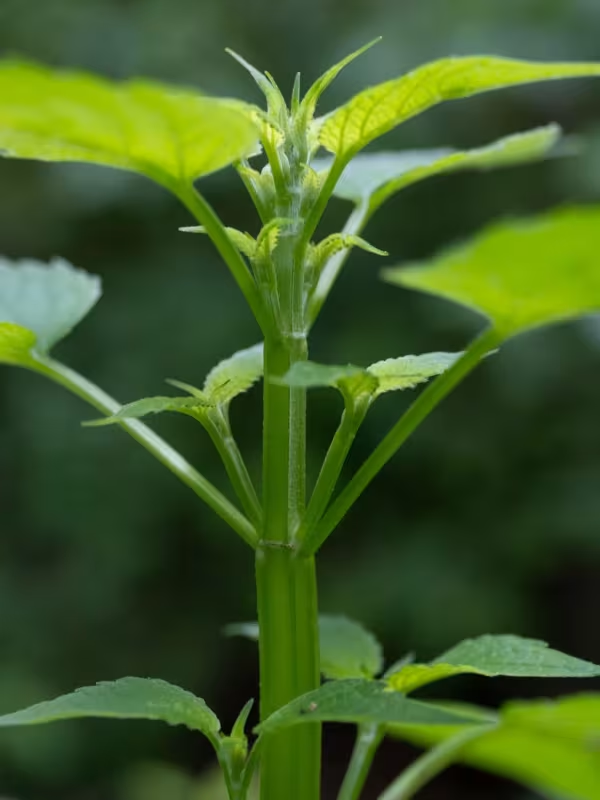
Description
Sowing dates
Agastache nepetoides, commonly known as yellow giant hyssop, is a perennial plant within the Lamiaceae family. Sowing is best performed in early spring once soil temperatures reach 10-12 degrees Celsius.
The seeds are tiny and require a very shallow sowing depth, approximately 0.5 centimeters, to ensure proper germination and access to essential sunlight.
Choosing a site with full sun to partial shade is recommended, as the plant shows high adaptability to varying light conditions in agricultural landscapes.
Row spacing should be maintained between 45 and 60 centimeters to facilitate mechanical weeding and ensure adequate airflow between developing plants.
Consistent soil moisture is crucial during the germination phase, as the seeds are sensitive to drying out before the primary root system is established.
Growing requirements
This species thrives in fertile, well-draining soils with a neutral or slightly alkaline pH, avoiding heavy clays where water stagnation is common.
The crop demonstrates resilience to moderate drought, but peak vegetative growth is achieved with regular irrigation during the mid-summer heat.
Fertilizing with organic matter or balanced NPK blends in early spring significantly boosts the yield of green foliage and improves overall plant vigor.
It prefers temperate climates and is hardy enough to survive cold winters, making it a reliable perennial crop for many northern agricultural regions.
Adequate spacing and a weed-free seedbed are foundational requirements for ensuring the plant matures without competition for nutrients or sunlight.
Main diseases and pests
Aphids are the primary pests that target the soft tissue of the stems and leaves, often leading to reduced plant vitality and stunted growth.
Fungal issues, such as powdery mildew, may emerge in stagnant or overly humid environments, requiring effective management through improved site ventilation.
Root rot represents a significant threat when soil drainage is insufficient, often occurring after prolonged periods of heavy rainfall.
Integrated pest management strategies are preferred to maintain the quality of the plant as a natural resource for pollinators and local fauna.
Monitoring the undersides of leaves during the peak growing season is an effective way to detect early infestations before they spread across the field.
Harvesting
Harvesting for medicinal or aromatic purposes should occur during the full bloom stage when the essential oils are most concentrated in the foliage.
Plants are typically cut 10-15 centimeters above the ground to allow for regrowth, maximizing the potential for a second harvest later in the season.
Drying must be conducted in dark, well-ventilated rooms to prevent the degradation of volatile compounds that are sensitive to excessive UV light exposure.
When harvesting for seed production, the inflorescences should be collected when they turn brown and brittle to ensure maturity and high germination rates.
Properly cured and stored material provides a high-quality product, maintaining the integrity of the plant's unique aromatic and biological properties.