
African sage
Salvia africana
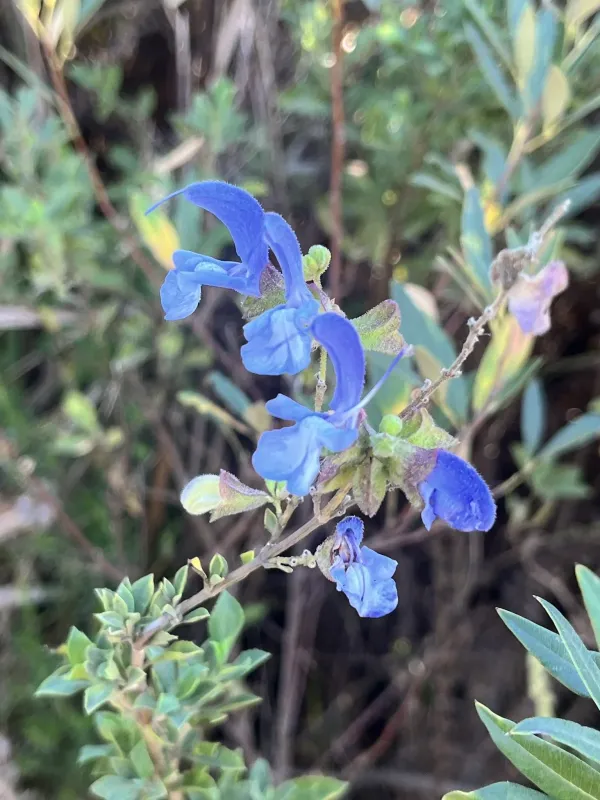
Description
Sowing dates
African sage (Salvia africana) is a perennial shrub belonging to the Lamiaceae family. Propagation is effectively carried out using seeds in the spring, once the soil has warmed sufficiently for active growth.
For seed sowing, use a well-draining seed-starting mix. Cover seeds lightly with sand or fine soil, keeping them under bright light at temperatures ranging from 18°C to 20°C to ensure uniform germination within two to three weeks.
Cuttings are often preferred for cloning specific desirable traits. Semi-hardwood cuttings are taken in late summer, treated with a rooting hormone, and placed in a mixture of peat and perlite until roots become established.
Transplanting into the field should occur after the final frost risk has passed. Space plants at least 50-60 cm apart to promote airflow, which is critical for managing the humidity around the canopy.
Crop rotation practices should be observed to prevent soil-borne diseases. Avoiding fields previously planted with other members of the Lamiaceae family helps in maintaining long-term soil health.
Growing requirements
Native to arid regions, Salvia africana thrives in full sunlight. It requires an open location that receives at least six to eight hours of direct light daily to maintain its vigor and oil concentration.
Soil drainage is the most vital requirement. The plant is highly sensitive to waterlogged conditions, which lead to rapid root decay; therefore, light, sandy, or rocky soil profiles are ideal for production.
Irrigation should be moderate. The plant possesses excellent drought tolerance, and supplemental water should only be provided during extreme dry spells to prevent wilt without inducing root rot.
Fertilization should be handled with care. Excessive nitrogen can cause rapid, succulent growth that is prone to pests and less cold-hardy; a balanced organic fertilizer applied once in early spring is generally sufficient.
Cold hardiness varies, but the plant generally requires protection in climates where temperatures drop below freezing. In colder zones, container cultivation allows for overwintering in frost-free environments.
Main diseases and pests
Spider mites are the most common pest, especially in hot and dry climates. They damage leaves by feeding on cell sap, leading to yellowing and a decline in plant productivity.
Powdery mildew is a significant threat in areas with high humidity or poor ventilation. Implementing proper plant spacing and avoiding overhead irrigation can significantly reduce the risk of infection.
Root rot caused by fungal pathogens is often a result of over-irrigation or heavy, poorly drained soils. Once rot is observed, the plant is typically difficult to salvage.
Aphids may infest new growth and flower buds. Control them through periodic monitoring and the use of targeted biological controls if populations exceed economic thresholds.
Nematodes can pose a hidden threat in infested soils. Testing soil quality and using sterile planting substrates for initial growth phases helps mitigate this risk.
Harvesting
Harvesting should be timed to coincide with the peak flowering period, as this is when the concentration of aromatic compounds is at its highest point for commercial use.
Cut the top 15-20 cm of the stems using sanitized pruning shears. This practice encourages the plant to put energy into side-branching, resulting in a bushier, more productive specimen.
Drying must occur in a dark, well-ventilated space at temperatures below 35°C. Excessive heat will cause the volatile essential oils to dissipate, diminishing the quality of the final product.
Properly dried material should be brittle but fragrant. Store the processed leaves and flowers in airtight, opaque containers to protect them from light and humidity.
It is best to leave sufficient foliage on the plant after harvest to allow for ongoing photosynthesis, ensuring the plant has enough stored energy to survive through the winter months.