
Agastache urticifolia
Agastache urticifolia
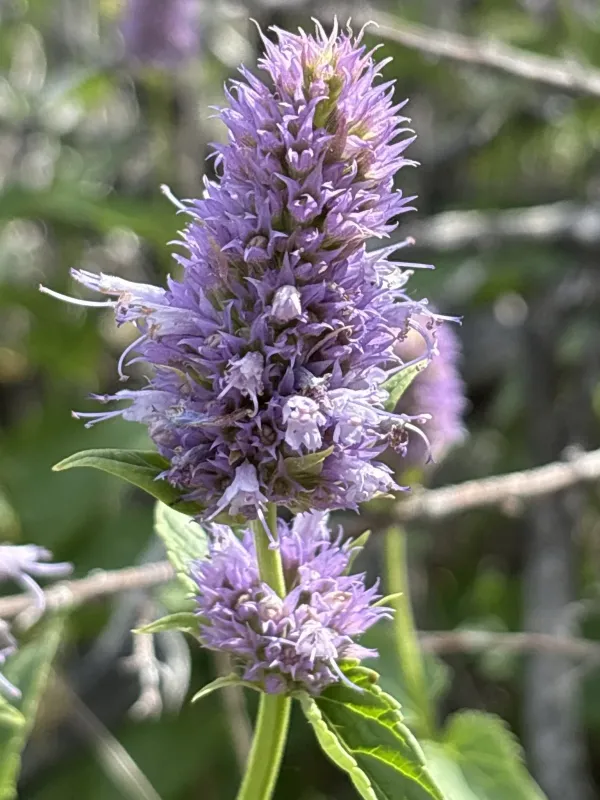
Description
Sowing dates
Sowing Agastache urticifolia is best initiated in the spring once the soil temperature consistently reaches 10-12 degrees Celsius to ensure healthy germination.
The seeds possess a natural dormancy that can be effectively broken by cold stratification for several weeks prior to the actual planting date.
Direct field sowing should be done at a shallow depth of approximately 0.5 to 1 cm, as the seeds are small and require sufficient light to trigger sprouting.
For greenhouse production, starting seeds in seedling trays during late March provides a significant advantage for faster crop establishment.
When transplanting seedlings into the field, a spacing of 30-40 cm between plants is recommended to allow for adequate air circulation and growth.
Growing requirements
As a member of the Lamiaceae family, Agastache urticifolia thrives in full sun, which is essential for maximizing the production of its characteristic aromatic oils.
The plant performs best in well-drained, fertile soil, ideally sandy loam, with a near-neutral pH level to prevent nutrient deficiency issues.
While established plants show some tolerance to dry spells, consistent irrigation is vital during the vegetative stage to promote lush green biomass.
The plant adapts well to moderate temperatures between 20-25 degrees Celsius and exhibits impressive winter hardiness in temperate agricultural zones.
Regular maintenance including weeding and soil aeration around the root zone significantly enhances the overall vigor and productivity of the crop.
Yield
Agastache urticifolia serves multiple agricultural purposes, acting as both a high-quality essential oil source and a premier melliferous plant for apiaries.
The plant is highly valued for its aromatic foliage and flower spikes, which are frequently used in the culinary industry and for herbal preparations.
By implementing proper pruning techniques, such as pinching the leading stems, farmers can promote bushier growth and increase the total yield of inflorescences.
The yield of green biomass depends heavily on soil fertility and irrigation management, often reaching up to 3 kilograms per square meter in optimal conditions.
Commercial harvest cycles are carefully timed with the plant's flowering stages to capture the peak concentration of bioactive compounds in the harvestable parts.
Main diseases and pests
The most common threat to Agastache urticifolia crops is excessive moisture, which creates an environment conducive to crown rot and fungal root infections.
High humidity and poor air circulation within dense plantings may lead to the development of powdery mildew, a persistent threat to foliage quality.
Pests such as aphids and spider mites are frequently observed and can cause substantial damage if not managed through timely biological interventions.
Crop rotation is a critical agronomic practice, and growers should avoid planting in areas previously occupied by other mint-family species to mitigate soil-borne pathogens.
Integrated pest management strategies focusing on beneficial insects are highly recommended to keep pest populations below the economic injury level.
Harvesting
The optimal window for harvesting medicinal or aromatic biomass is when the plant is in full bloom, ensuring the highest content of essential oils.
Using sharp cutting tools, the stems are harvested about 15 cm above the soil line to ensure the plant has enough energy reserves for potential regrowth.
Immediate processing, specifically drying in a shaded, well-ventilated area, is required to prevent the degradation of volatile aromatic compounds by sunlight.
Post-harvest handling involves keeping the dried product in airtight containers, protected from heat and moisture to maintain its commercial quality.
Properly cured and stored herb material maintains its potency and culinary value for an extended period, making it a reliable product for year-round supply.